


Discovery generates forward-looking intelligence: which customer problems are real, which market segments are growing, which existing products are losing market relevance. Product portfolio management decides where resources go.
Without a structural connection between the two, portfolio decisions reduce to budget inertia backed by last year’s figures.
Most product portfolio management processes treat discovery as a pre-development gate. Validate before building, then move on. This framing is too narrow. Product discovery should continuously inform portfolio governance and not once per product launch. Every 90 days, as market changes accelerate, a company’s strategy needs fresh market evidence to stay relevant.
When product managers identify a new market signal through discovery, that signal needs to reach portfolio governance within 30 days. Not the next annual review. The cost of that delay is measured in market share and strategic relevance, not planning cycles.
For a breakdown of the discovery techniques themselves, see 7 Product Discovery Techniques That Reduce Costly Rework by 50%. This article focuses on the structural problem: what happens to those discovery insights after the research is done.
Why product discovery findings don’t reach product portfolio management
Product discovery and product portfolio management operate on incompatible timelines and separate information systems. Discovery runs in 2-week sprints with customer feedback as the primary output. Portfolio analysis runs quarterly or annually with revenue, market share, and growth rate as the primary inputs.
When these two systems don’t share data, product portfolio management strategy defaults to historical performance rather than current market intelligence. Portfolio decisions end up optimizing for a market that no longer exists.
The organizational gap between product teams and portfolio governance
Product managers own discovery. Portfolio managers own resource allocation. In most companies, these roles report to different leaders and attend different governance meetings.
When product teams complete a discovery cycle, findings go into a product brief or development backlog. They rarely get formatted as portfolio-relevant evidence. A portfolio manager reviewing investment levels across the entire portfolio has no standard format for processing what product teams learned last quarter.
This is how portfolio decisions get made without the customer feedback, emerging market trends, and competitive signals that discovery teams gathered three weeks earlier. The information existed. No routing mechanism brought it to the people making resource allocation decisions.
How quarterly portfolio reviews miss fast-moving market changes
Portfolio reviews operate on fixed calendars. Market changes operate on their own schedule, creating a cross-functional coordination problem between product managers, portfolio managers, and leadership.
A product portfolio manager reviewing portfolio performance in Q1 typically works from Q4 data. By the time a portfolio decision reaches implementation, the dynamics that justified it may have already shifted as markets evolve. In market segments with 18- to 24-month technology cycles, a portfolio review cadence disconnected from the discovery calendar means consistent strategic lag.
The default assumption is that annual or quarterly portfolio reviews are frequent enough.
For markets where product life cycles span decades, that assumption holds.
For markets with rapidly shifting customer preferences or competitive dynamics, any gap between discovery insight and portfolio decision is a window for competitors because findings were not translated into a cross-functional governance format that decision-makers could use.
The real cost of disconnected resource allocation and portfolio decisions
Disconnected discovery and portfolio management produce a predictable pattern. Portfolio managers allocate resources based on historical metrics, but that assumption breaks down as markets evolve faster than quarterly or annual review cycles can absorb, making it harder to manage the portfolio effectively.
Product teams discover that markets are moving in directions that those metrics don’t capture. The gap between what the portfolio funds and what the market rewards widens.
Portfolio decisions built on prior-period performance data
Portfolio analysis using prior-period revenue, market share, and growth rate measures a business that no longer exists. When discovery and portfolio management remain disconnected, companies cannot manage the portfolio effectively as market conditions change.
Products in emerging market segments look risky in historical portfolio data but represent future growth opportunities. When portfolio analysis doesn’t incorporate current discovery data, resource allocation systematically underinvests in future opportunities and overinvests in products past their strategic peak, making it harder to identify growth opportunities and support revenue growth.
Effective product portfolio management ensures that resource allocation aligns with business objectives (Exhibit 1).
Exhibit 1: Prioritize based on strategic value to avoid politics in portfolio decisions
But it can only do this if the portfolio data includes forward-looking discovery signals alongside backward-looking financial metrics, so teams can make informed decisions. Historical performance data alone cannot show a portfolio manager where market demand is actually heading or support sound strategic decisions.
How misaligned portfolios lose market share to faster competitors
Kodak held strong portfolio performance in film through the late 1990s while internal teams documented the consumer shift toward digital photography. Portfolio governance kept resource allocation concentrated in film because portfolio performance metrics supported it.
By January 2012, Kodak had filed for bankruptcy. The failure was that the portfolio management process had no mechanism for discovering findings to force a resource reallocation before competitors captured the digital market.
Nokia followed the same pattern in software ecosystems. Blockbuster followed it in distribution. In each case, discovery data existed inside the organization. Portfolio governance had no structured pathway to convert it into portfolio decisions in time.
The five rules of portfolio-connected product discovery
Most product portfolio management frameworks treat product discovery as a one-time pre-development input. The framework below changes this assumption. It treats discovery as a continuous feed into portfolio governance, with structured routing from discovery outputs to portfolio decisions.
Each rule addresses a specific failure point where discovery insights typically stop before reaching portfolio management.
Company cases: connecting product discovery to portfolio decisions
The following cases show how discovery-to-portfolio routing works in practice. Two demonstrate the model working. One demonstrates what happens when it doesn’t.
Building the discovery-portfolio connection in three steps
Effective product portfolio management doesn’t require rebuilding governance from scratch. Three operational changes create a permanent connection between discovery outputs and portfolio decisions.
#1: Create a discovery-to-portfolio routing protocol
After each discovery cycle, require every product team to complete a portfolio implication brief. Three fields:
market signal (what changed),
portfolio implication (what it means for investment levels), and
required decision (what governance action is needed and by when).
Route all completed briefs to the product portfolio manager monthly. No additional meetings required in the first 90 days.
#2: Align discovery questions to portfolio analysis dimensions
Portfolio analysis evaluates products across market growth rate and relative market share. Align discovery questions to these same dimensions from the start.
This creates structural alignment between discovery outputs and portfolio inputs, so product managers and portfolio managers use the same data language. It also ensures discovery findings map directly to the portfolio analysis criteria leadership already uses.
#3: Schedule a 90-day portfolio calibration review
Add a portfolio calibration review to the governance calendar every 90 days. One agenda item: what product teams learned about the market in the last quarter and what portfolio decisions those findings require. Limit it to 90 minutes.
This is separate from annual strategic reviews and focused specifically on routing discovery signals into portfolio governance decisions. Establish this cadence before data quality improves, not after. The routing protocol is what creates portfolio-relevant data quality over time.
How ITONICS enables product portfolio management connected to discovery
The gap between product discovery and portfolio decisions is partly an infrastructure problem. Discovery outputs live in product management tools. Portfolio data lives in spreadsheets and separate reporting systems. Portfolio managers rarely see discovery data alongside portfolio performance metrics because the two don’t share an environment.
ITONICS connects market intelligence, product discovery insights, and portfolio governance in a single platform (Exhibit 1). Product managers capture customer feedback, market changes, and discovery findings in the same environment where portfolio health scores, market growth data, and strategic fit assessments live.
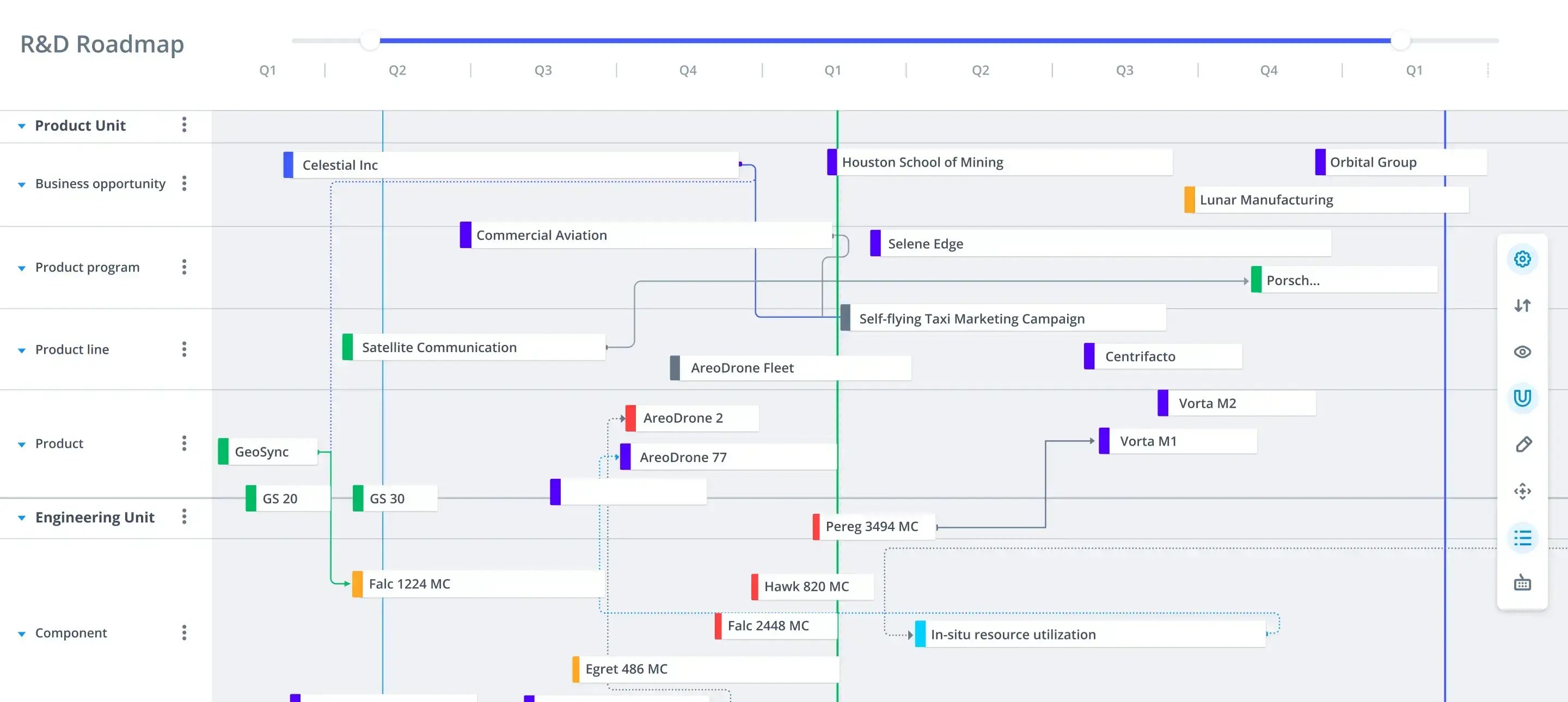
Exhibit 1: Create scenario-based roadmaps that link your investments to business goals and let you adapt as the future changes
Portfolio managers see discovery data alongside revenue performance without switching tools or requesting manual exports.
Regular portfolio reviews inside ITONICS include discovery-sourced market signals as a standard input alongside financial performance metrics (Exhibit 2). Resource allocation decisions are informed by both historical portfolio data and forward-looking discovery findings. This eliminates the 30-90 day lag between what product teams learn in the field and what portfolio governance acts on.
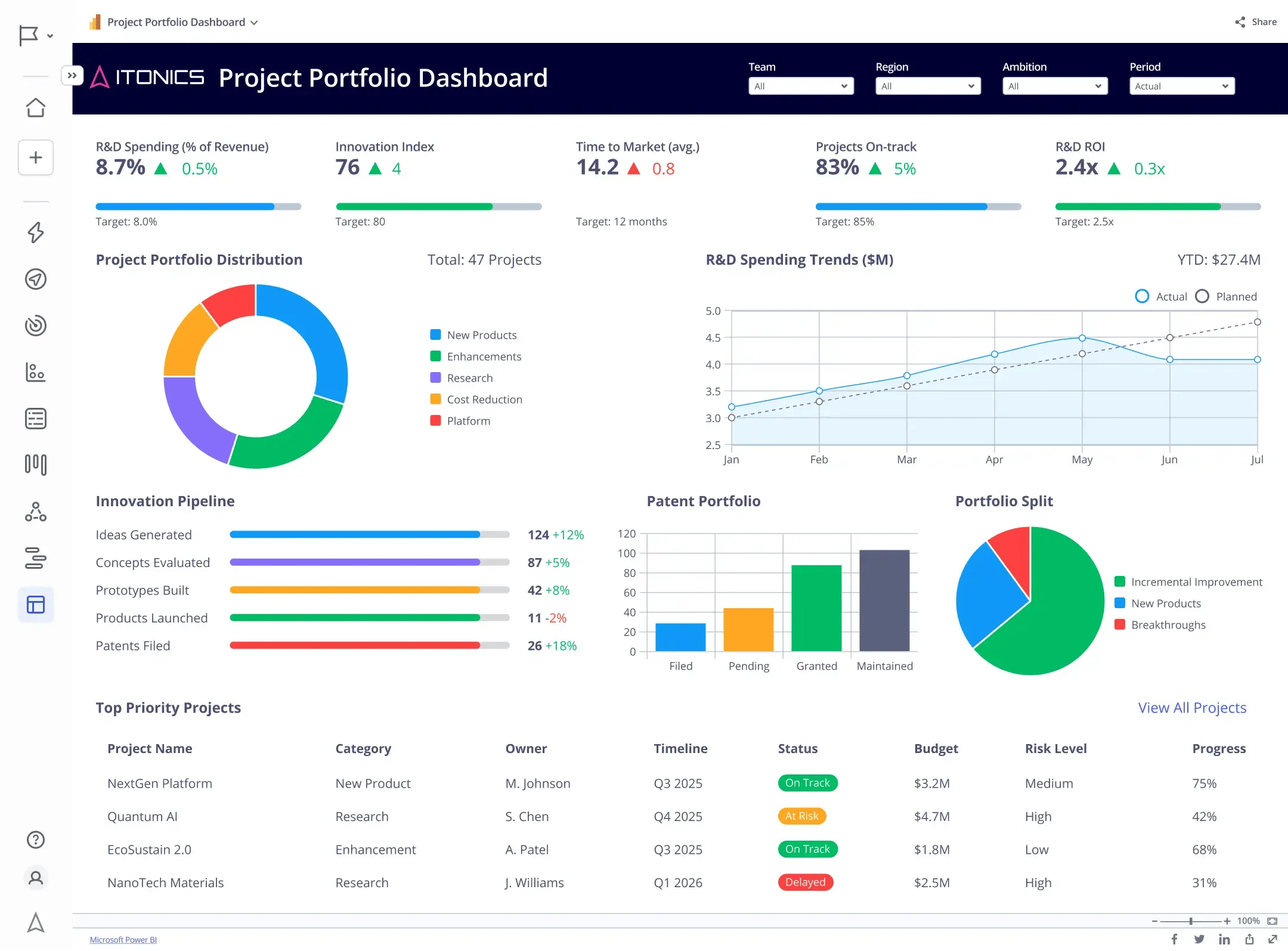
Exhibit 2: Project portfolio dashboards showing real-time numbers
For product portfolio managers overseeing multiple product lines across different market segments, ITONICS provides a shared data layer that connects discovery cycles to portfolio decisions without manual translation between teams. For organizations implementing the Portfolio-Connected Discovery framework above, ITONICS provides the infrastructure for Rules 3, 4, and 5 to function at scale.


