


The next frontier in consumer technology is not about escaping reality. It is about enhancing reality.
For years, AR, VR, XR, and mixed reality were treated as futuristic novelties. Interesting? Yes. Practical? Not always.
That is changing fast.
According to IDC, global XR device shipments grew 44.4% year over year in 2025, driven largely by the rise of smart glasses. That tells us something important: immersive technology is moving closer to everyday wearability.
As I often remind leaders, the goal is not to chase every new technology. The goal is to identify the Hard Trends shaping the future and use them to create advantage before disruption occurs.
Why Are AR, VR, XR, and Mixed Reality Moving Beyond Hype?

Apple called Vision Pro its first “spatial computer,” designed to blend digital content with the physical world through eyes, hands, and voice. Tim Cook said it marked “the beginning of a new era for computing.”
Meta’s Quest 3 also pushed mixed reality closer to the consumer mainstream. Meta described it as the “world’s first mass-market mixed reality headset,” with virtual elements overlaid on physical surroundings.
The key shift is clear: immersive technology is no longer confined to gaming or experimental demos.
It is becoming part of how consumers shop, learn, navigate, socialize, and make decisions.
How Are Consumers Already Using AR in Practical Ways?

Retail is one of the clearest early use cases.
IKEA Kreativ lets customers design realistic 3D rooms, erase existing furniture, save designs, and shop with more confidence. IKEA said the goal is to “break down barriers” to shopping for home furnishing.
Google Maps Live View uses AR to place arrows, directions, and distance markers on top of the real world, helping users understand where to go.
These are not gimmicks, they reduce uncertainty.
The best immersive technologies remove friction from the customer journey.
Why Does Consumer AR Already Matter at Scale?
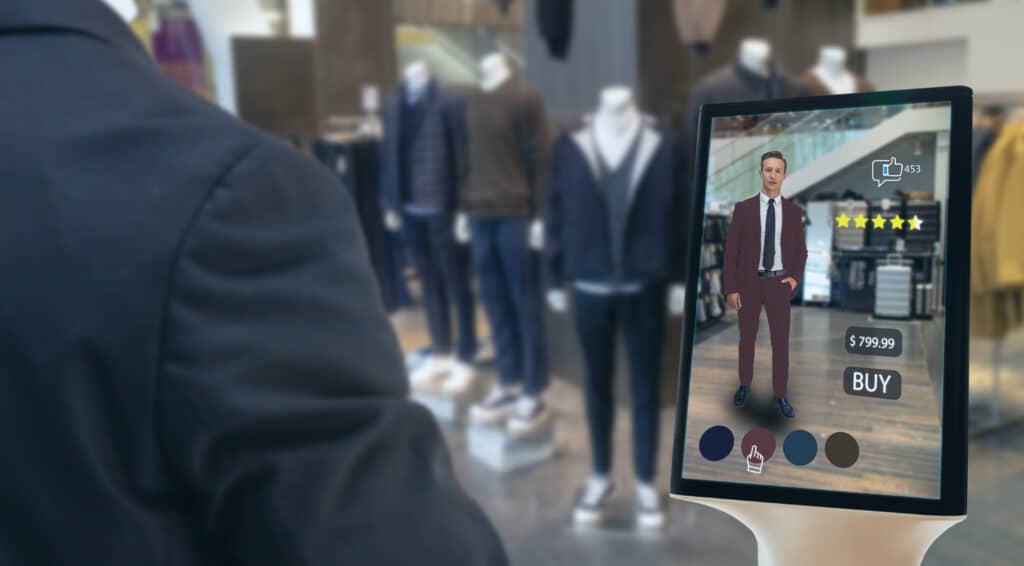
Consumer AR is not waiting for the future. It is already embedded in daily behavior.
Snap reports that over 300 million Snapchatters engage with augmented reality every day on average.
That is a powerful signal.
When hundreds of millions of consumers use AR daily, the question for leaders is no longer, “Will people use immersive technology?”
The better question is: Where will they expect it next?
Why Do Immersive Digital Environments Matter?
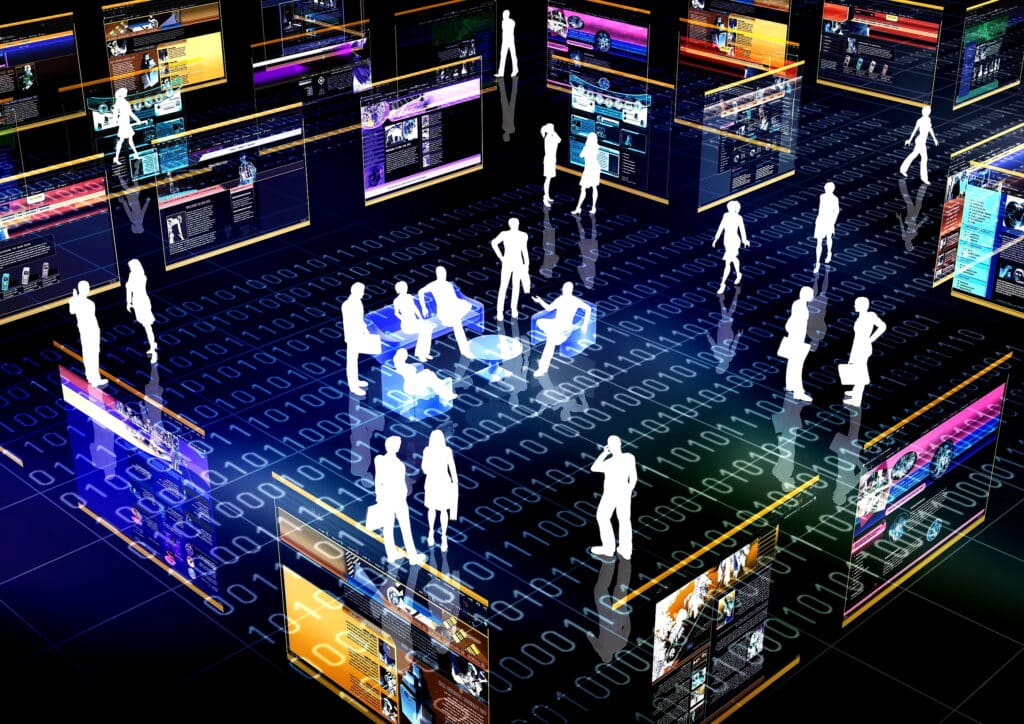
Immersive digital environments are not just places people visit. They are becoming places where people connect, create, spend, and participate.
Roblox, an online platform where users create, play, and socialize inside millions of user-generated 3D experiences, is a strong example of this shift.
Roblox reported 111.8 million average daily active users and 27.4 billion hours engaged in Q2 2025, up 41% and 58% year over year, respectively.
That level of engagement shows that immersive environments have already become major consumer destinations.
Several years ago, Pokémon GO showed consumers what mass-market AR could feel like. The mobile game sent players into real-world locations to find, catch, and battle virtual Pokémon that appeared through their phone screens. It turned parks, streets, landmarks, and local businesses into interactive digital experiences.
The lesson is simple: digital experiences become more valuable when they enhance the real world instead of replacing it.
How Will AI Make AR, VR, and XR Easier to Use?

Artificial intelligence will be one of the biggest accelerators of immersive technology.
Generative AI can make interfaces more natural, conversational, and adaptive. Instead of forcing users to learn complex menus, AI can help immersive environments respond through voice, gesture, context, and intent.
That matters because adoption increases when friction decreases.
AI will make AR, VR, and mixed reality feel less like tools we operate and more like environments that understand us.
Are We Moving Toward a More Practical Metaverse?
Yes, but not in the overhyped way many have imagined.
The practical metaverse will not be one giant virtual world. It will be a growing collection of connected experiences that blend digital and physical realities.
We are already seeing early signs:
Social platforms with real economic activity
Immersive brand experiences
Virtual goods and digital identity
Persistent spaces for work, learning, and entertainment
The future is not purely virtual. The future is hybrid.
What Trends Should Leaders Watch Next?

The growth outlook is significant.
Grand View Research estimates the global augmented reality market at $120.21 billion in 2025 and projects it could reach $1.05 trillion by 2033, growing at a 29.7% CAGR from 2026 to 2033.
Leaders should watch for:
Lighter, more comfortable hardware
Lower costs and broader access
AI-powered personalization
Expanded use cases beyond entertainment
Improved portability of identity, assets, and content
This is where an Anticipatory Mindset matters.
Do not wait for immersive technology to become obvious. Identify where it will create measurable value now.
Where Can Immersive Technology Create Competitive Advantage?
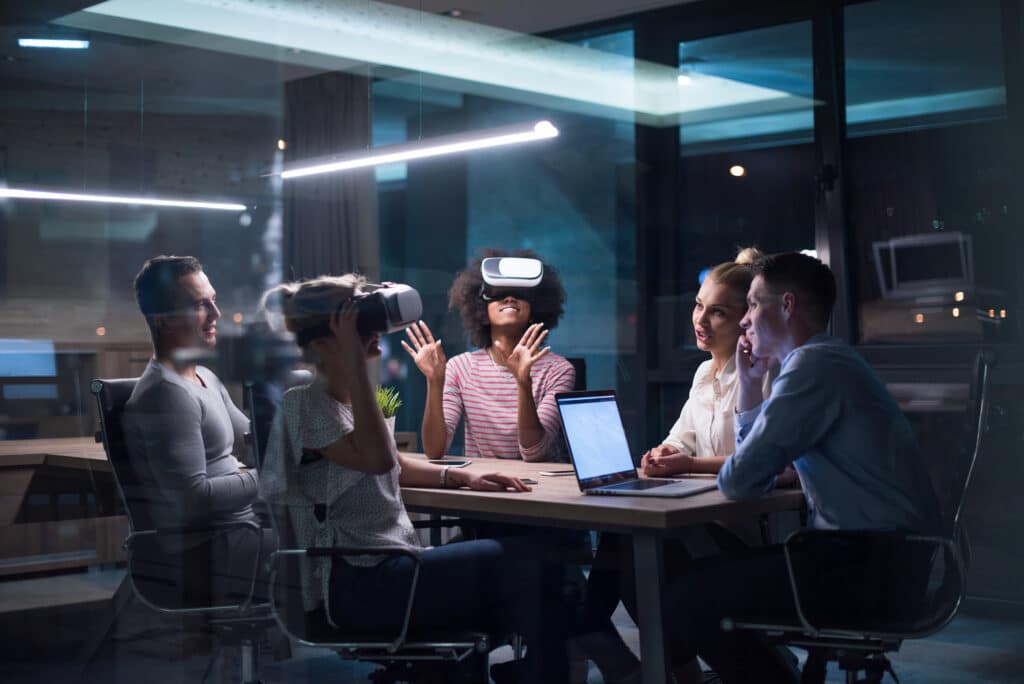
The companies that win will not be the ones that adopt immersive technology the fastest.
They will be the ones that apply it the most intelligently.
Start by asking:
Where can AR reduce customer hesitation before a purchase?
Where can VR improve training, design, or collaboration?
Where can mixed reality deepen engagement?
Where can immersive experiences create new revenue streams?
The opportunity is not to chase hype.
The opportunity is to pre-solve predictable problems in ways competitors have not yet imagined.
How Will You Use Immersive Technology Before Your Competitors Do?

The next frontier in consumer technology will be built at the intersection of physical and digital experience.
AR, VR, XR, and mixed reality will matter most where they make life easier, decisions faster, and experiences more meaningful.
Use an Anticipatory mindset to separate temporary hype from Hard Trend future certainties.
Then ask the most important question: Where can immersive technology create a measurable advantage for my customers, my organization, and my future?
Are You Ready to Turn the Future Into Your Competitive Advantage?

Immersive technology is only one example of how fast the future is arriving. The real question is whether you will react to disruption after it happens or use Hard Trends to anticipate it before your competitors do.
As a global futurist, technology strategist, and bestselling author, I have spent my career helping leaders turn uncertainty into opportunity. The New York Times has referred to me as one of the “top three business gurus” in highest demand as a speaker.
Explore more insights at Burrus.com and discover how an Anticipatory mindset can help you identify future opportunities, accelerate innovation, and turn disruptive change into measurable advantage.


