


Most strategy frameworks do one job well. They organize thinking. A PESTEL scan sorts the noise. Five Forces explains why an industry is hard. A Balanced Scorecard lines up the metrics. None of them makes a decision.
That gap is why strategy work stalls. Teams run the framework, fill the slides, and still cannot say which initiative to fund, which to stop, and which to scale. The analysis ages the day after the offsite.
This guide covers 19 strategy frameworks from the best strategy books, grouped by the four stages of the strategic planning process: preparation, formulation, control, and change. For each one, you get the mechanism, when it fits, and where it breaks. Picking the right one for a specific context gives you the right frame to make a decision.
Why most strategy frameworks fail in practice
Frameworks fail for two reasons. Neither is the framework itself.
First, the inputs go stale. A PESTEL scan or a competitive analysis captures the world on the day you run it. Most teams refresh that view once a year, at a planning offsite. Markets, competitors, and technologies do not wait for the offsite. By Q2, the slide describes a world that no longer exists.
Second, the framework stops at the plan. It produces a matrix, a map, or a scorecard. It does not carry that output to a named initiative and a funding decision. Someone still has to decide what to stop and what to back. In most organizations that handoff is political and slow, so good analysis dies in a deck.
A better framework fixes neither problem. Connecting the framework to live signals, and to the portfolio it is supposed to steer, fixes both. Use the models below to structure the thinking. Then wire them to the decisions they exist to support: fund, stop, or scale.
How do strategy frameworks influence business success
Strategy frameworks play a crucial role in shaping future success by turning vision into action (Exhibit 1). Well-chosen strategic planning models help identify strengths, reveal gaps, and define the right path forward, what some call the “departure hall connects” moment between current state and future ambition.
Exhibit 1: The 19 key strategy frameworks and books
Whether through gap planning, OKRs, or the Balanced Scorecard, frameworks help translate strategic plans into measurable key results. An alignment strategic planning model ensures that high-level objectives are cascaded across teams and tracked over time.
Ultimately, these frameworks drive focus, agility, and clarity that are core enablers of sustained business performance in fast-changing markets (Exhibit 2).
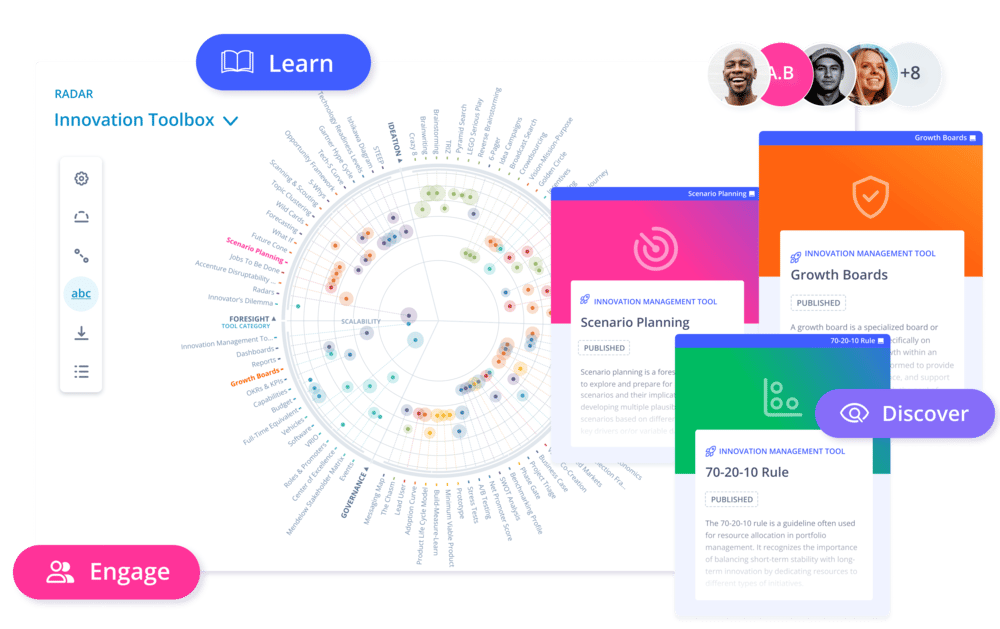
Exhibit 2: Most powerful innovation tools and techniques to supercharge innovation management
The 19 most influential strategy models from the best books on strategy
Preparation and gap planning frameworks
Effective preparation begins with understanding both the external landscape and internal readiness.
Tools like Pest Analysis and Internal Capability Gap Planning are among the most popular strategic planning frameworks, helping organizations identify future risks, opportunities, and the distance between current capabilities and strategic needs.
1. PESTEL Analysis and Horizon Scanning, notably in Exploring Corporate Strategy by Johnson, Scholes & Whittington (2005)
PESTEL analysis is a foundational tool in the strategic planning process that helps organizations scan and monitor external factors likely to influence performance.
It categorizes these into six domains: Political, Economic, Social, Technological, Environmental, and Legal. When paired with horizon scanning, organizations systematically detect emerging trends and weak signals, which can be visualized using a strategic planning model such as a trend radar (Exhibit 3).
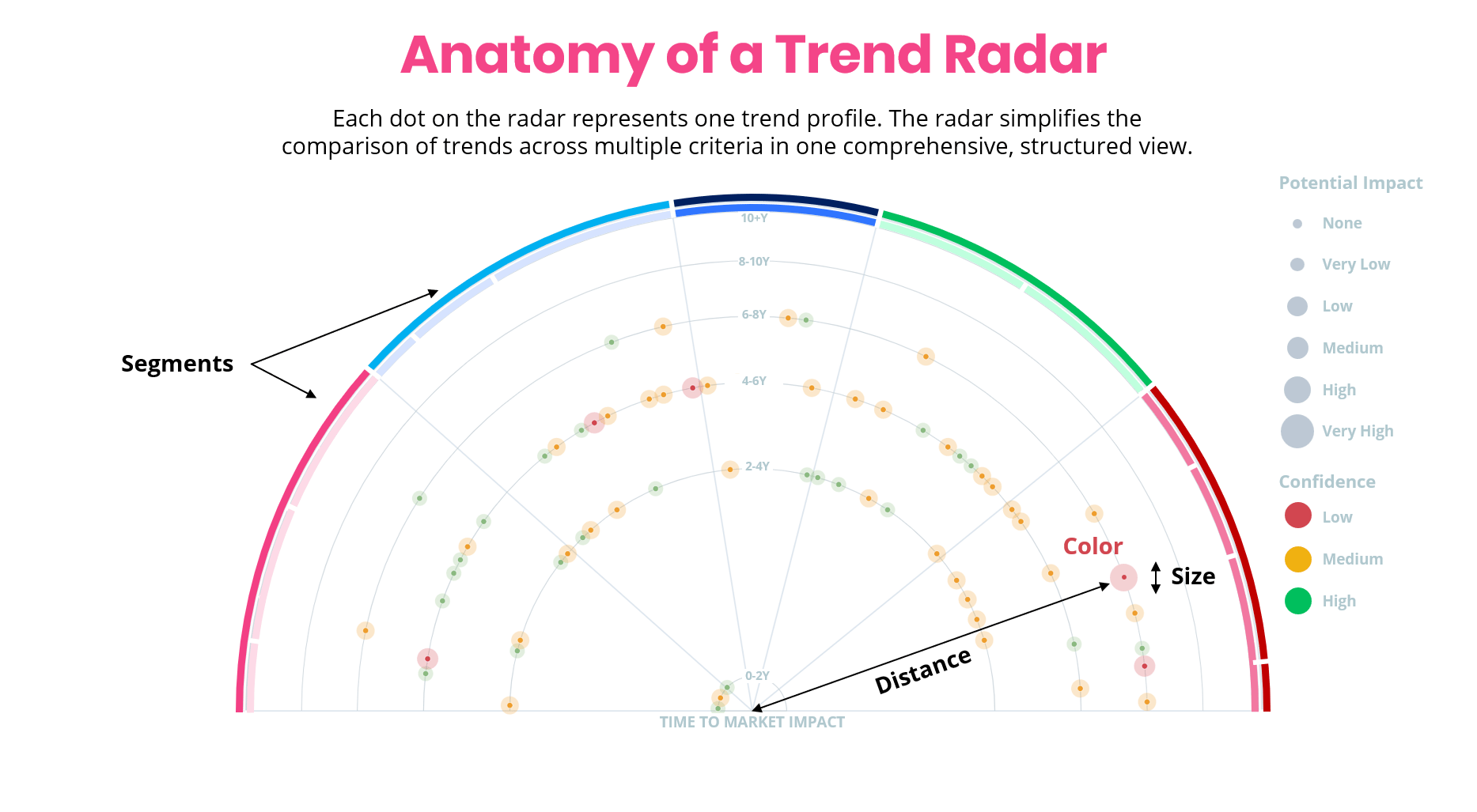
Exhibit 3: The anatomy of a trend radar
The core contribution of PEST analysis lies in its ability to structure foresight activities and align strategic decisions with the broader business environment.
2. Porter’s Five Forces from Competitive Strategy by Michael Porter (1980)
Porter’s Five Forces assesses industry attractiveness through five pressures: threat of new entrants, supplier power, buyer power, threat of substitutes, and competitive rivalry. Map the five, and you can see where the margin comes from and where it leaks.
Its core contribution is turning competitive advantage into a systematic assessment. It remains widely used in strategic frameworks for everything from new market entry to pressure-testing where a business is exposed and helps align internal priorities to external threats. It pairs well with SWOT, which turns the external read into internal action.
3. Innovation Strategy Typologies from First-Mover (Dis)Advantages by Lieberman & Montgomery (1988)
This framework categorizes innovation strategies by timing of entry and market behavior: first-movers aim to establish early dominance, fast followers improve on pioneers’ offerings, and disruptors challenge industry norms. These typologies are key in shaping a company’s strategic direction, especially in tech, biotech, and digital markets (Exhibit 4).
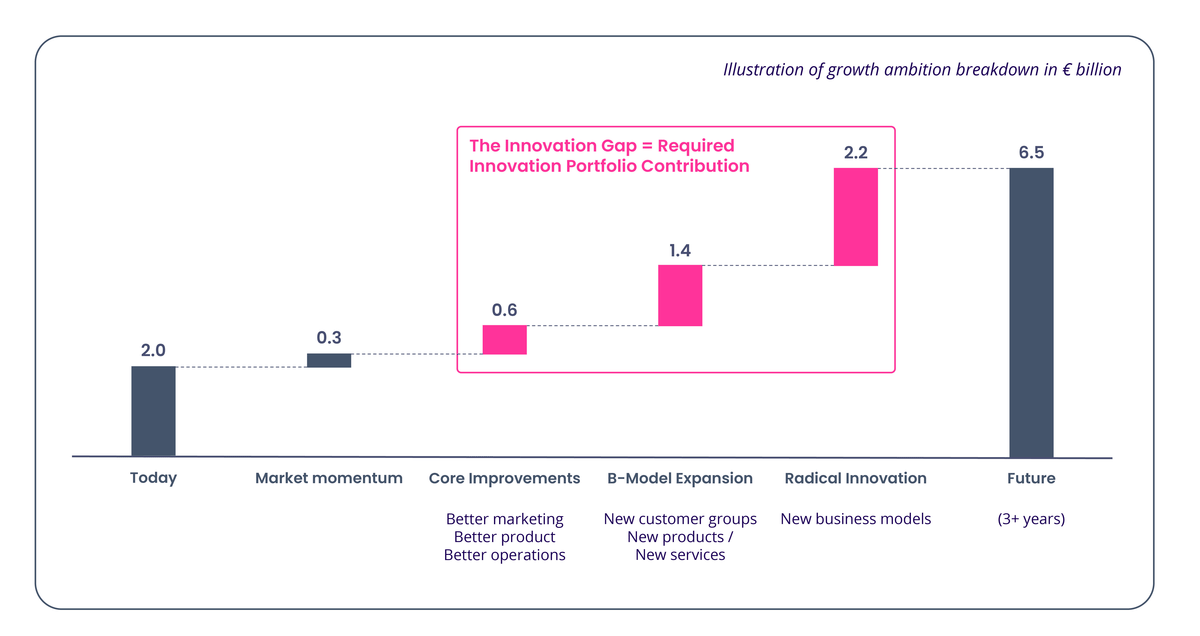
Exhibit 4: Growth ambition breakdown in billion Euro
Its core contribution is enabling firms to align strategies with market readiness and innovation capabilities. By choosing the right entry timing, companies can avoid costly mistakes or capitalize on competitors’ weaknesses. This model directly supports market penetration decisions and new product development paths within a strategic planning framework.
4. VRIO Framework from Resource-Based View theory by Jay Barney (1991)
The VRIO framework tests whether an internal resource delivers lasting advantage against four questions: is it valuable, rare, hard to imitate, and is the firm organized to exploit it?
Barney introduced the four-part logic as VRIN in 1991 and refined it into VRIO in 1995. It shifts attention from external threats to internal strengths, and it shows up in goal-setting, capability audits, and M&A due diligence. Run it to confirm which assets are genuinely unique before you fund a strategy that assumes they are.
5. Blue Ocean Strategy from Blue Ocean Strategy by W. Chan Kim and Renée Mauborgne (2005)
Blue Ocean Strategy offers a radical approach to value creation: rather than competing in crowded “red oceans,” companies seek uncontested market space through value innovation. This means simultaneously reducing cost and increasing customer value – opening up new demand (Exhibit 5).
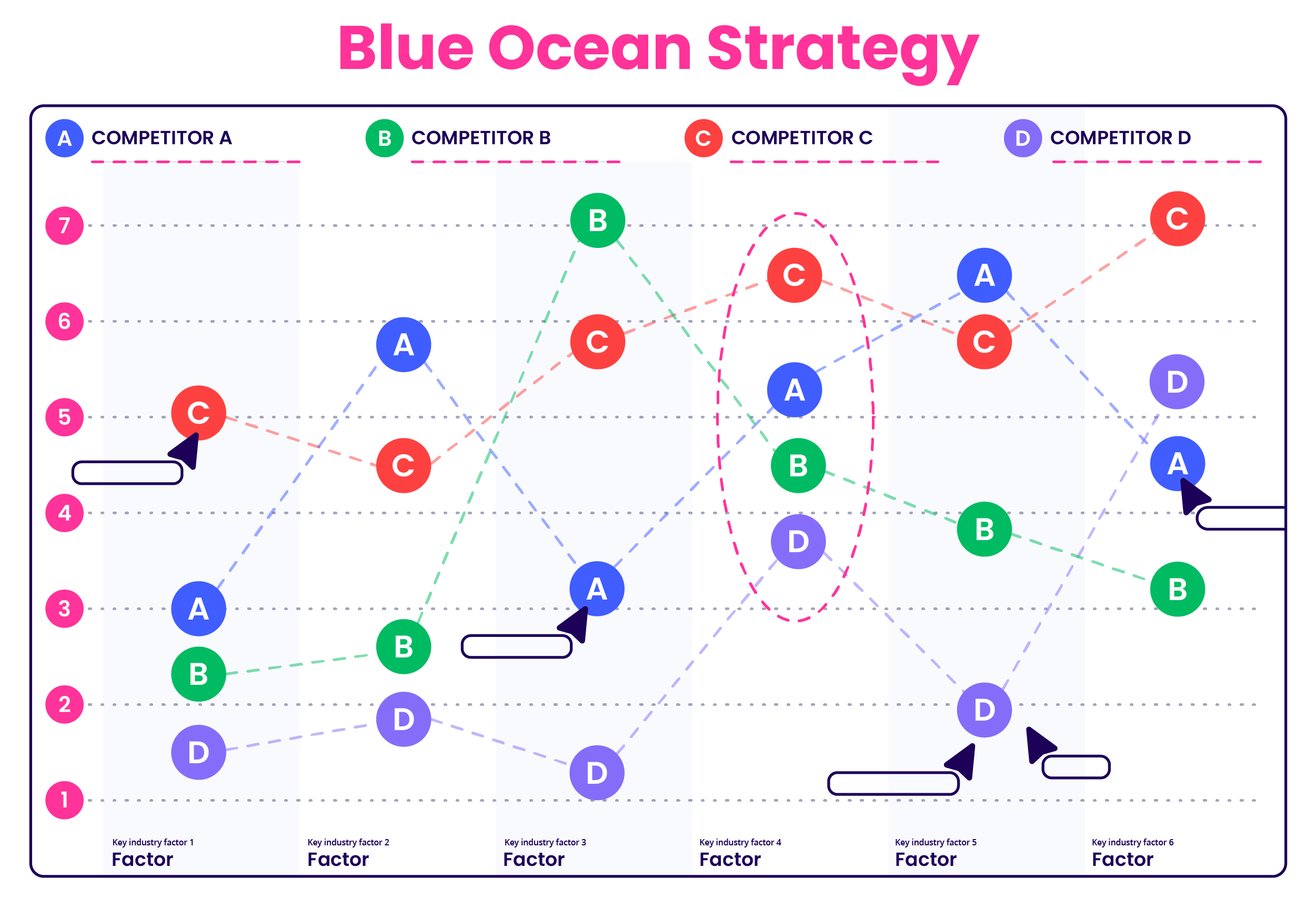
Exhibit 5: Visualizing market positioning and how to break away from competitors with the Blue Ocean Strategy Canvas
Its core contribution is strategic differentiation beyond price wars. Tools like the strategy canvas and the Four Actions Framework help redefine industries and challenge assumptions about competitive dynamics.
Formulation frameworks
Strategy formulation turns insight into choices: how to compete, where to grow, what to build versus buy. These frameworks connect internal strengths to external opportunities and force a decision.
6. Strategy Maps from The Balanced Scorecard by Kaplan and Norton (2004)
Strategy Maps are a central component of the Balanced Scorecard framework, introduced to show how strategic objectives are connected across four perspectives (Exhibit 6): financial performance, customer value, internal processes, and learning & growth.
They make the cause-and-effect links in a strategy visible, so people see how a training investment eventually shows up in revenue. Kaplan and Norton developed them as part of the Balanced Scorecard system and detailed them in Strategy Maps (2004).
Their core contribution is making intangible plans actionable. Strategy Maps help organizations articulate a strategic planning model that aligns people and performance metrics with strategic goals. They’re especially powerful in large organizations seeking alignment between strategic objectives and day-to-day operations.
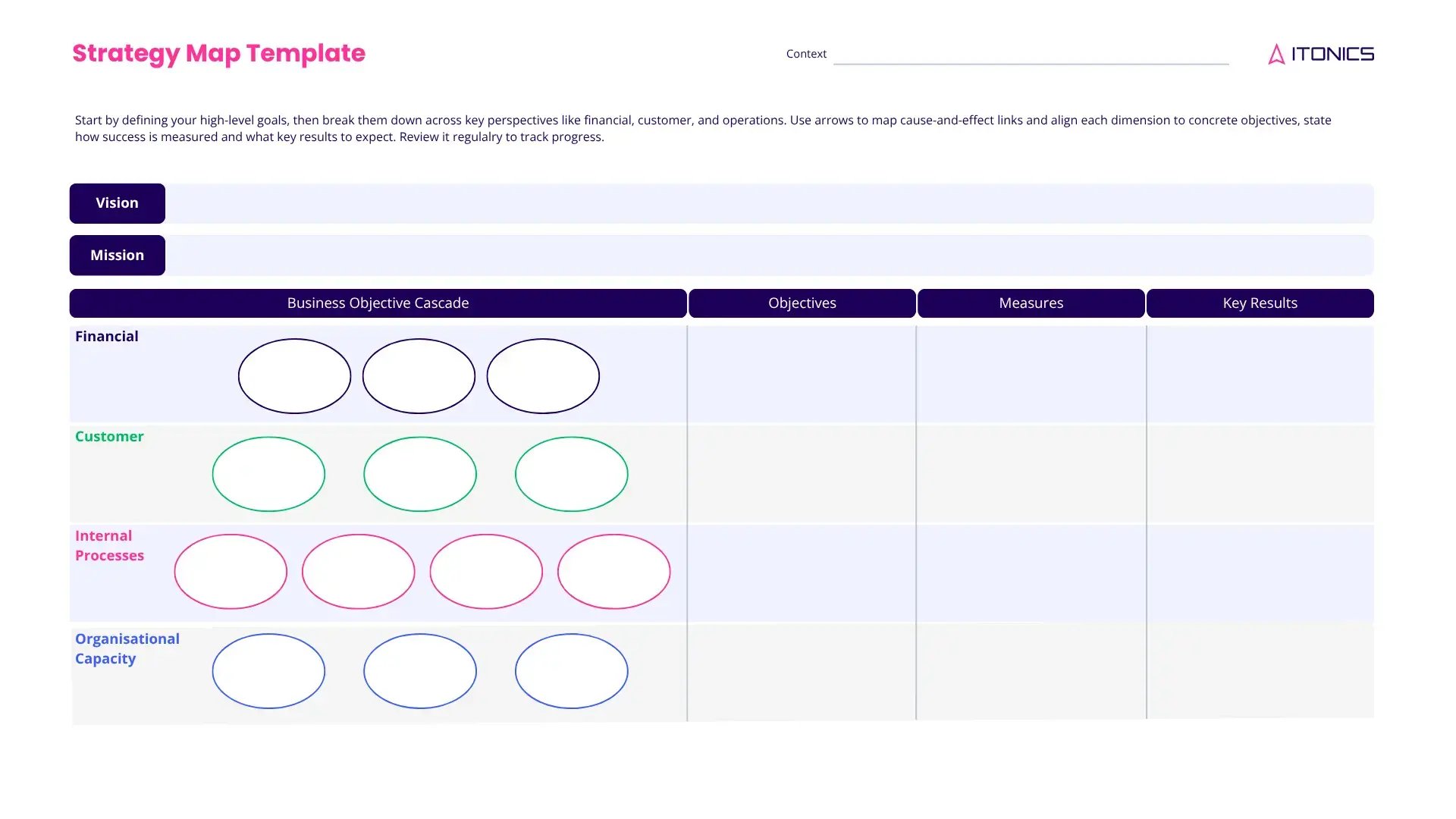
Exhibit 6: Bridge the gap between vision and execution and turn strategic intent into measurable outcomes
7. Porter’s Generic Strategies from Competitive Advantage by Michael Porter (1985)
In his seminal work Competitive Advantage, Porter outlined three routes to achieve sustainable competitive advantage: cost leadership, differentiation, and focus. These strategic frameworks help organizations select a clear value proposition based on either broad market appeal or niche targeting.
The core contribution is the warning against being “stuck in the middle”, trying to pursue all three and failing at each. By committing to one, organizations sharpen their go-to-market direction and avoid diluting their efforts. This model underpins most modern business strategy discussions, especially in industries with high competitive rivalry and complex value chains.
8. Ansoff Matrix from Corporate Strategy by Igor Ansoff (1957)
The Ansoff Matrix helps organizations explore four growth archetypes: market penetration, product development, market development, and diversification (Exhibit 7). Each archetype varies in its degree of risk and alignment with existing products and markets. Ansoff introduced it in his 1957 HBR article “Strategies for Diversification” and expanded it in Corporate Strategy (1965).
%20Innovation%20ambition%20matrix.webp?width=850&height=917&name=6)%20Innovation%20ambition%20matrix.webp)
Exhibit 7: Analyzing and prioritizing growth strategies within an organization’s innovation portfolio
Its core contribution is helping leaders assess the strategic planning process through a growth lens. It enables more informed choices by structuring the discussion around existing products, new strategy, and market space expansion. This model is frequently used during planning processes and strategic workshops to explore scalable growth.
9. Make-or-Buy Framework from Transaction Cost Economics by Coase (1937) and Williamson (1975)
This strategic planning model addresses a classic dilemma in strategic planning: should a firm develop capabilities in-house, buy them via acquisition, or partner externally? The Make-or-Buy decision balances control, speed, cost, and long-term strategic fit, especially relevant when sourcing talent, tech, or manufacturing capacity.
Its core contribution is guiding resource allocation for innovation and capability building (Exhibit 8). The model is widely used in R&D, outsourcing decisions, and post-M&A planning. It supports alignment models by ensuring that sourcing decisions complement the organization’s strategic planning framework and not just short-term cost savings.
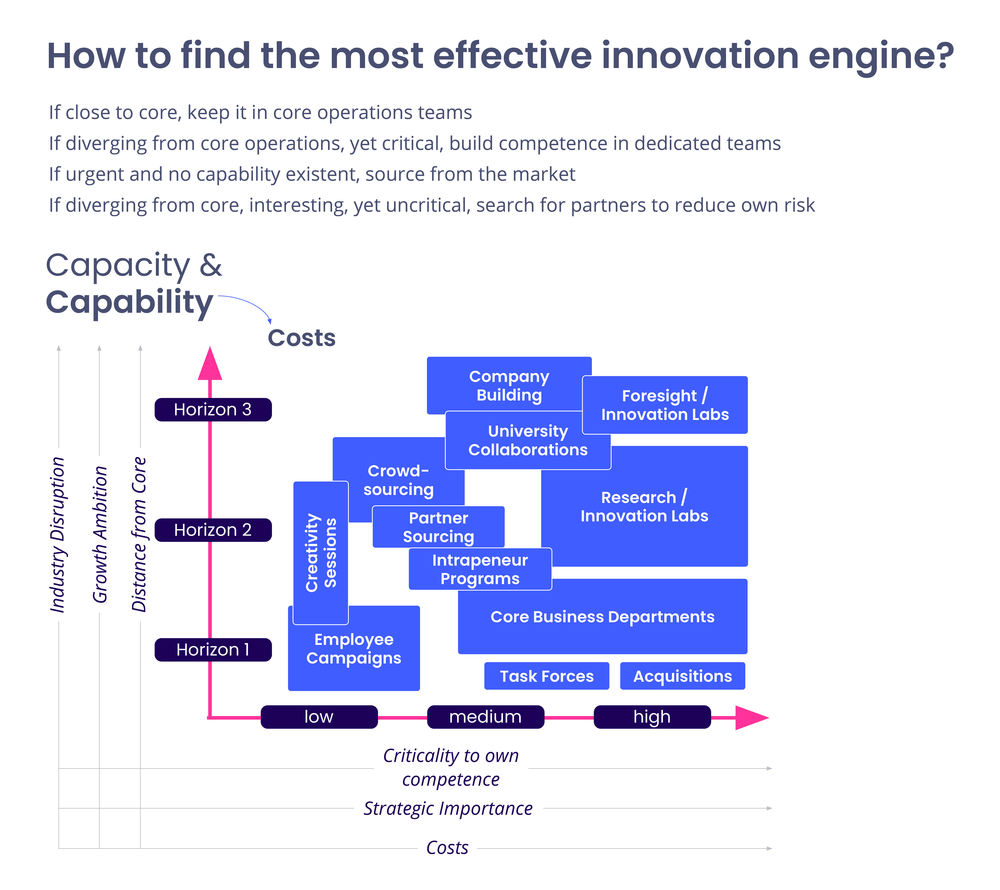
Exhibit 8: How to find the most effective innovation engine
10. Strategic Roadmapping by Rob Phaal (2004)
Strategic Roadmapping is a visual planning model that aligns market needs, product development, and enabling technologies along a timeline (Exhibit 9).
Its core contribution is creating a shared future-focused narrative that links strategic goals to real-world activities. Roadmaps support prioritization, capability building, and long-term investments while addressing the strategic planning gap. They’re especially useful in dynamic environments where real-time data and external factors shift rapidly.
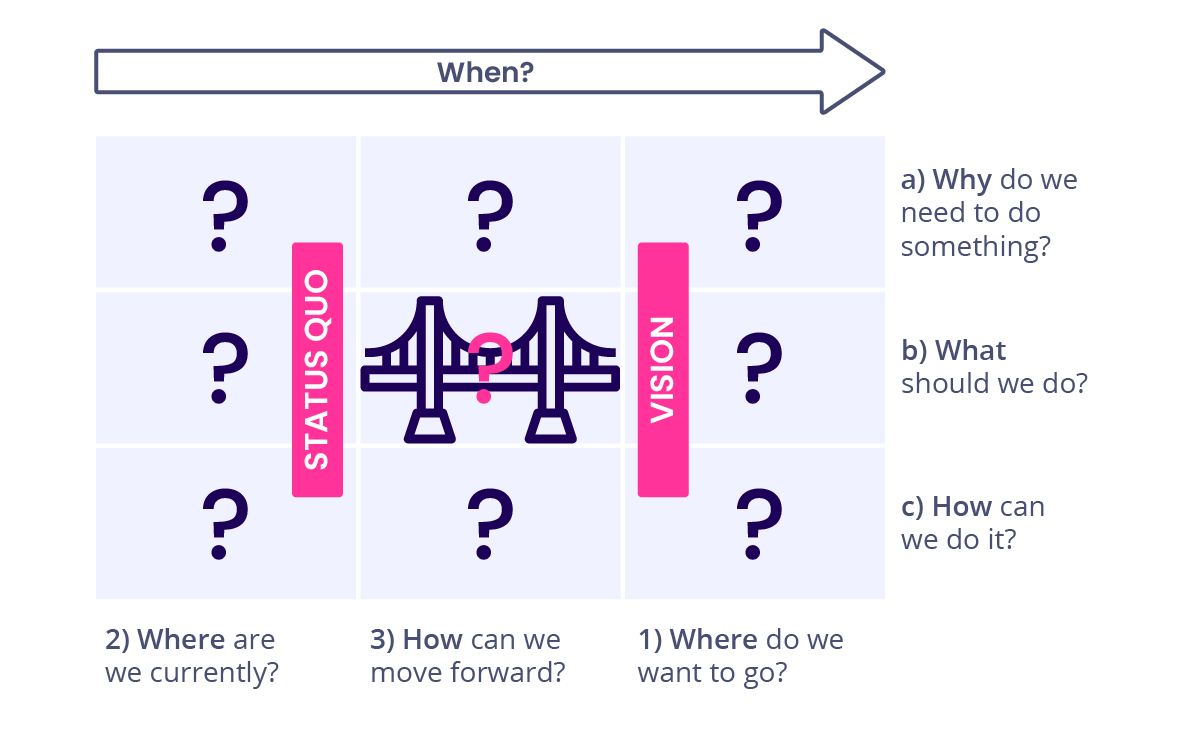
Exhibit 9: Creating roadmaps and its structure and layers
11. Playing to Win Strategy Cascade from Playing to Win by A.G. Lafley & Roger Martin (2013)
The Playing to Win cascade is a practical, decision-driven strategic planning framework. It poses five essential questions every business must answer in every strategic planning process:
What is our winning aspiration?
Where will we play?
How will we win?
What capabilities must be in place?
What management systems are required?
The model moves beyond vague vision statements and pushes teams to define actionable choices. Its core contribution is helping organizations build a coherent alignment model between strategic objectives, day-to-day operations, and long-term success. Each question prompts clear, focused decisions that together create a holistic strategic planning framework.
Control and implementation frameworks
Control and implementation ensure that strategic intent translates into measurable outcomes and day-to-day actions.
Strategic frameworks like the Balanced Scorecard or issue-based strategic planning help organizations prioritize challenges, assign ownership, and continuously track progress toward long-term objectives.
12. Balanced Scorecard Framework from The Balanced Scorecard by Kaplan and Norton (1992)
The Balanced Scorecard (BSC) is one of the most widely used strategic planning models, helping organizations measure performance beyond traditional financial indicators. Kaplan and Norton introduced it in a 1992 HBR article and expanded it into the 1996 book.
It measures performance across four perspectives (financial, customer, internal processes, and learning & growth) to ensure that key success drivers are included in strategy execution tracking.
The Balanced Scorecard transforms performance measurement into a tool for strategic execution. Linking objectives to key results and KPIs across departments, it fosters internal alignment and long-term value creation. It is particularly powerful in bigger organizations where internal factors and siloed thinking can obstruct strategic clarity.
13. Objectives and Key Results (OKRs) from Intel (1970s), popularized in Measure What Matters by John Doerr (2017); MbO from The Practice of Management by Peter Drucker (1954)
OKRs (Objectives and Key Results) are a modern strategic planning framework that helps organizations set bold goals and measure progress through specific, time-bound outcomes. Used by Google and many startups, OKRs bring agility and transparency to the strategic planning process, fostering ownership across all levels of the organization.
MbO, developed by Drucker, is a precursor to OKRs. It emphasizes mutual goal setting between managers and employees, combined with regular performance reviews. While less dynamic than OKRs, MbO is still valued in hierarchical organizations for its clarity and goal accountability.
The core contribution of both methods is structured goal-setting. OKRs excel in fast-moving, innovation-driven settings, while MbO remains relevant for operational planning and leadership team management.
14. Vision and Mission Statements (Drucker and others, 1950s–1970s)
Vision and mission statements define the fundamental purpose of an organization (mission) and its long-term aspirations (vision). These tools are essential for expressing the “why” behind the strategic plans, giving direction to decision-making, and inspiring employee engagement (Exhibit 10).
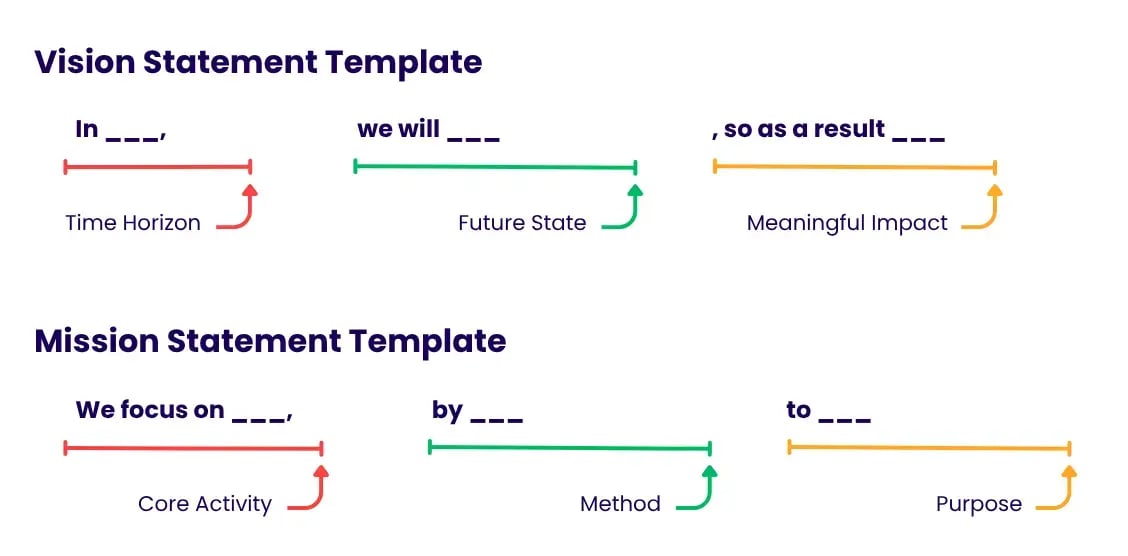
Exhibit 10: The vision and mission statement template
Missions articulate what the organization does, for whom, and how. Vision statements describe where it aims to go. Together, they form the foundation for goal-setting, cultural alignment, and strategic prioritization. They are often the first step in any strategic planning model and provide context for every initiative that follows.
Their core contribution is anchoring the organization’s vision in meaning and intention, which is vital for both internal alignment and external communication.
15. McKinsey 7S Framework by Peters & Waterman at McKinsey (1980)
The McKinsey 7S Framework ensures strategic alignment across seven interrelated elements: Strategy, Structure, Systems, Shared Values, Style, Staff, and Skills. Developed at McKinsey in the late 1970s, it addresses both the hard elements (strategy, systems, structure) and soft elements (culture, leadership style, talent).
The core insight is that execution depends on how well it fits with the organization’s culture and capabilities. It also supports diagnostics during transformation and provides a checklist for ensuring strategic change doesn’t falter due to hidden cultural or structural mismatches.
16. Hoshin Kanri (Policy Deployment), from Japanese TQM practices (1960s–1980s)
Hoshin Kanri is a strategic planning model and execution framework that translates high-level vision into specific, measurable actions at every level of the organization (Exhibit 11). Through a method of cascading objectives, it ensures that strategic goals are supported by tactical plans, with built-in cycles for review and adaptation.
It is especially effective in environments where real-time data, internal processes, and team accountability need to be tightly integrated, such as manufacturing, healthcare, and agile transformation efforts.
The core contribution is that it institutionalizes alignment, like RACI, and follow-through. Everyone in the entire organization (from leadership to front-line staff) can trace their work directly to the strategic plan.
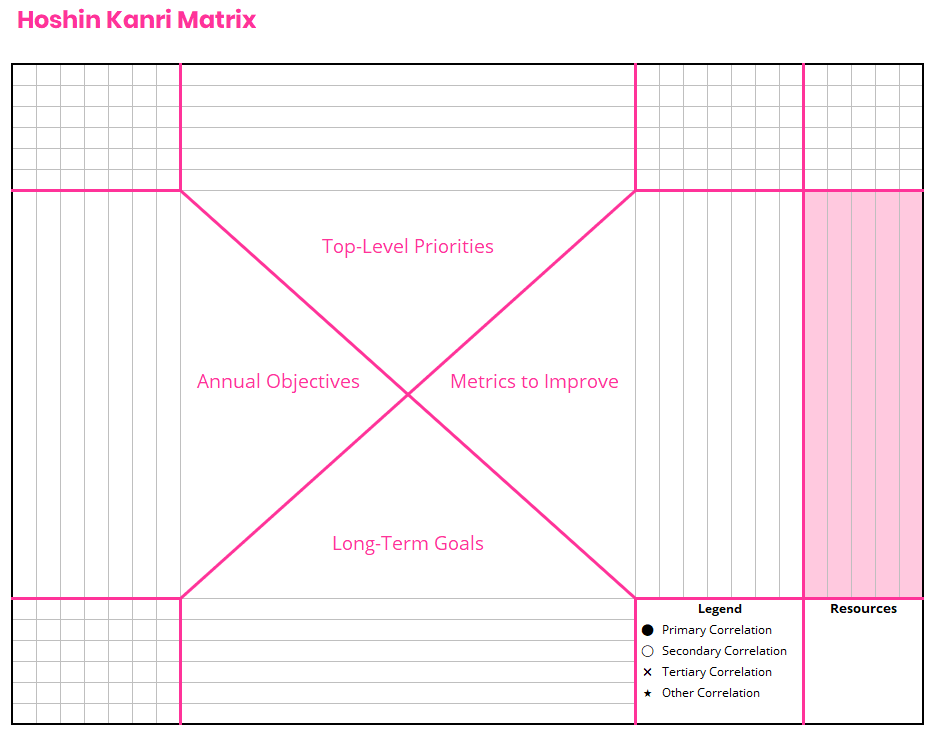
Exhibit 11: The Hoshin Kanri matrix
Change management and transformation
Change management and transformation focus on aligning people, culture, and systems with evolving goals.
Strategic frameworks like Kotter’s 8 Steps and the Competing Values Framework guide organizations through transitions, ensuring that strategic plan execution is supported by emotional buy-in, cultural readiness, and long-term behavioral change.
17. Kotter’s 8-Step Change Model from Leading Change by John P. Kotter (1995)
Kotter’s 8-Step Model is one of the most popular and enduring strategic planning models for leading organizational transformation. Kotter laid it out in Leading Change (1996), building on his 1995 HBR article. It outlines a clear, phased approach:
Create urgency
Build a guiding coalition
Form a strategic vision
Enlist a volunteer army
Enable action by removing barriers
Generate short-term wins
Sustain acceleration
Institute change
This framework emphasizes that strategy execution needs deep emotional buy-in, strong leadership, and cultural reinforcement.
The core lesson is that change is human before it is technical. Skip the buy-in, and the plan stalls, however sound the logic. By guiding leaders through each phase, this strategic planning framework ensures that change becomes part of the organization’s development and everyday behaviors.
18. Satir Change Model from Virginia Satir (adapted to organizational change in the 1990s)
Originally developed by family therapist Virginia Satir, this strategic planning model was later adapted for organizational transformation to illustrate the emotional journey individuals and teams go through during major change. It maps five key stages: Late Status Quo, Resistance, Chaos, Integration, and New Status Quo.
The core contribution is its focus on the human, emotional side of transformation. By recognizing that performance and morale often dip before rising again, it helps leaders guide teams with empathy and patience, especially during disruptive change, agile transitions, or restructuring.
19. Competing Values Framework from Diagnosing and Changing Organizational Culture by Cameron & Quinn (1999)
The Competing Values Framework (CVF) categorizes organizational cultures along two axes: internal vs. external focus and stability vs. flexibility. This results in four dominant culture types: Clan (collaborative), Adhocracy (creative), Market (competitive), and Hierarchy (controlled). Each supports different values, leadership styles, and strategic priorities (Exhibit 12).
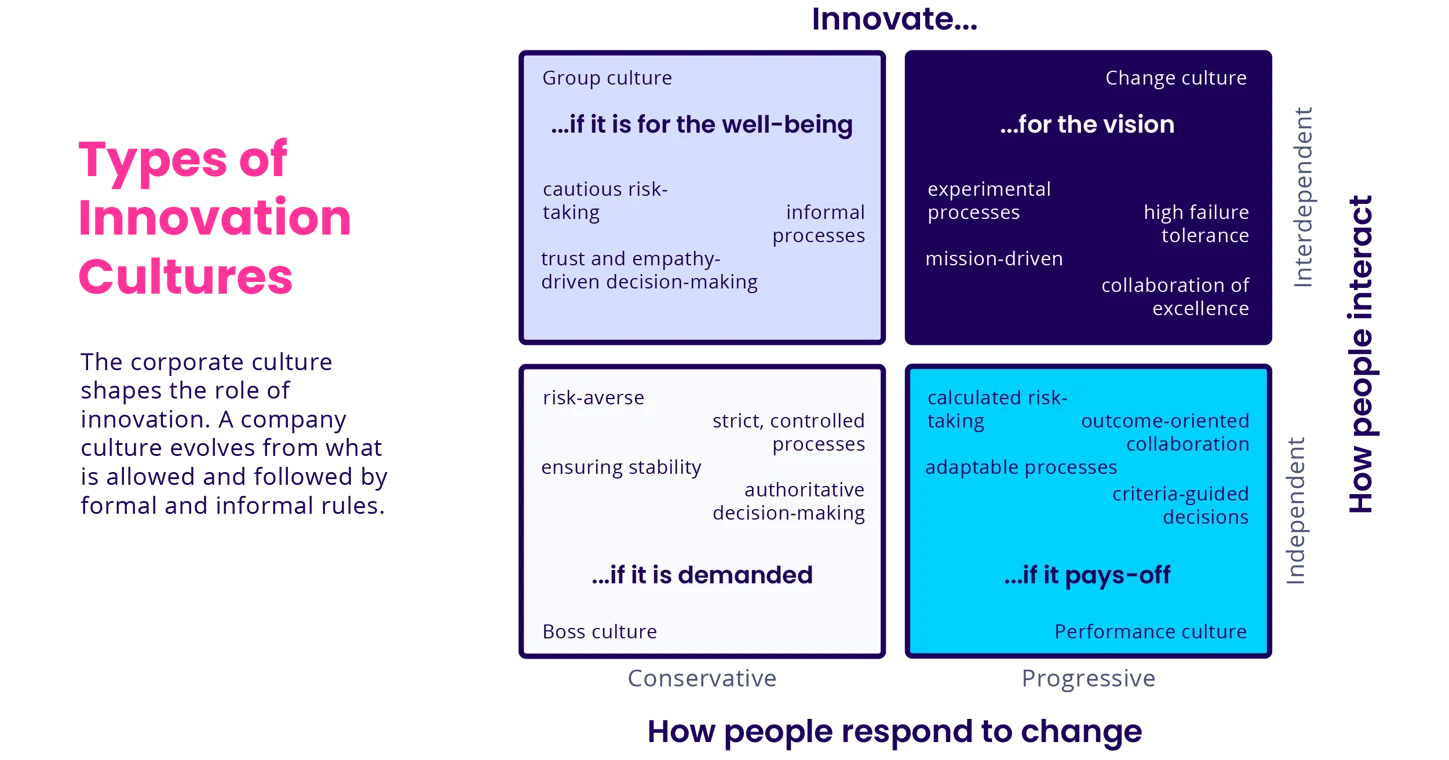
Exhibit 12: The different types of innovation cultures
The core contribution is its use as both a diagnostic and developmental tool, helping organizations align culture with strategy. Whether pursuing innovation, operational excellence, or customer-centricity, CVF helps leaders understand the cultural shifts required to support their goals.
How to effectively use the different strategy methods
Strategy is not an annual event. It is the continuous alignment of internal capability with external change. With this many models available, the skill is sequencing them.
Start with the outside view. PESTEL and Porter’s Five Forces frame the external factors: regulation, rivalry, and shifting demand. The catch is freshness. Run them once a year, and you are steering on last year’s map.
The inputs these frameworks assume are used to be periodic. They are now continuous. Signals about competitors, technologies, and regulation arrive weekly, not at the offsite. Interactive radars keep the external read current and flag what changed, so the analysis updates instead of expiring.
Then connect the outside view to targets. Roadmaps, Balanced Scorecards, and strategy maps turn abstract goals into measurable results. Cascade objectives across departments and tie KPIs to the mission, so high-level intent survives contact with daily work.
The failure mode is fragmentation. Frameworks live in separate decks owned by separate teams, and nobody sees the whole picture. An integrated view keeps the planning process connected, so the plan evolves with the business instead of aging in a slide.
/Still%20images/Radar%20Mockups%202025/foresight-keep-everything-on-your-radar.webp?width=1440&height=900&name=foresight-keep-everything-on-your-radar.webp)
Exhibit 13: Making strategic intelligence visible with interactive radars
To maintain strategic alignment, tools like roadmaps, balanced scorecards, or strategy maps transform abstract goals into measurable key results. This is where software excels: it allows cascading objectives across departments and connecting KPIs to your organization’s mission.
Software like ITONICS allows you to translate strategic plans into aligned roadmaps, assign ownership, monitor progress, and ensure high-level objectives aren’t lost in daily operations. It also makes it easier to review and update your strategic plan regularly, especially in response to major issues or market shifts.
/Still%20images/Roadmap%20Mockups%202025/foresight-set-milestones-and-activities.webp?width=1440&height=900&name=foresight-set-milestones-and-activities.webp) Exhibit 14: Link goals to real initiatives, projects, and resources to visualize the strategy in a roadmap
Exhibit 14: Link goals to real initiatives, projects, and resources to visualize the strategy in a roadmap
Finally, using an integrated platform prevents your strategic planning process from becoming siloed. The result? An alignment that evolves with your business, powered by data, structured frameworks, and shared insight, bringing clarity to how to achieve goals across the entire organization.
Where ITONICS fits: from framework output to fund, stop, or scale
ITONICS is strategic portfolio intelligence for enterprise R&D and innovation. It connects three things that usually sit in separate tools: market and technology intelligence, strategic priorities, and the project portfolio.
/Still%20images/Kanban%20Board%20Mockups%202025/ideation-organize-idea-flows-2025.webp?width=1440&height=900&name=ideation-organize-idea-flows-2025.webp)
Exhibit 15: Give structure to internal and external ideas and grow the best in one shared space with collaborative workflows
The external read stays live. Interactive radars track trends, technologies, and competitors, so a PESTEL or Five Forces view updates as signals arrive instead of expiring after the offsite.
The plan connects to execution. Roadmaps and OKRs translate strategic objectives into owned initiatives with milestones and clear accountability. Boards and dashboards replace the manual reporting cycle with a current view of pipeline health.
The decision gets support. Prism, the platform’s context-aware AI, checks initiatives against strategy, flags misalignment and risk, and helps answer the question every framework leads to but none resolves: what to stop, what to scale, and what to start.
More than 500 organizations use ITONICS this way, including Toyota, Roche, and Thales. DB Schenker reports moving 25% faster on startup collaborations. The frameworks give you the thinking. The platform carries it to a fund, stop, or scale decision.


