


Are you adaptable at work? Of course you are! You adjusted on the fly when interest rates soared, didn’t you? But what about that time you said no when an employee suggested tweaks to a process? Or you scoffed at trying AI even for tedious work?
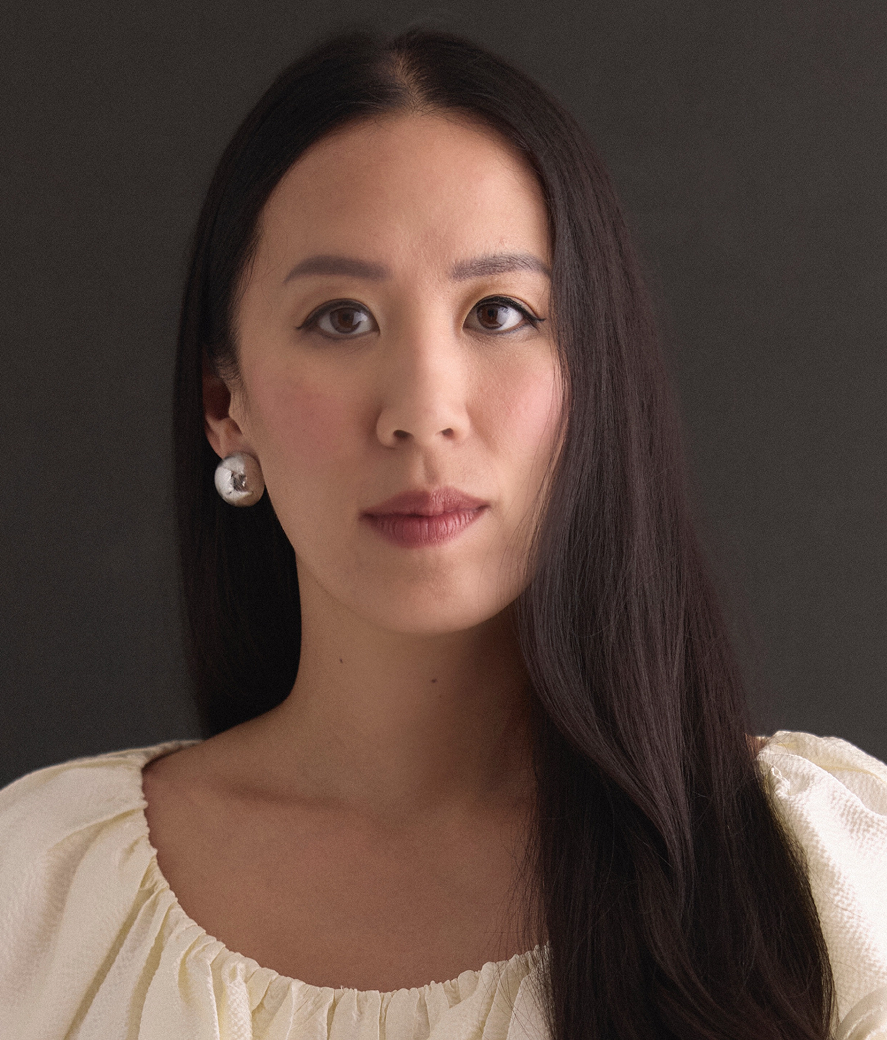
Recognizing your biases, tendencies to dismiss small changes and difficulty in pivoting during a disruption is the first step toward understanding your Agility Quotient and acquiring real agility, says leadership coach Liz Tran, the founder of AQ Labs and author of the new book AQ: A New Kind of Intelligence for a World That’s Always Changing — which Apple’s Fiona Cook calls “the ultimate playbook for the future of work.”
“These forks in the road happen constantly to all of us,” Tran says. “But in this world of continual change, we can no longer stay planted. We must learn how to fly.
We talked to Tran to learn more about the Agility Quotient.
Question: Is Agility Quotient just a newer buzz phrase for being able to pivot?
Answer: Pivoting is just one tool in the Agility Quotient toolkit — alongside questioning, unlearning, adapting and bushwhacking. But AQ isn’t merely skills; it’s a psychological mindset. The real divide? Low-AQ people get undone by chaos. High-AQ people embrace it. Agility isn’t about surviving disruption. It’s about thriving in it.
Question: What is “status quo bias,” and why is it so bad? If it ain’t broke … Right?
Answer: Status quo bias is our hardwired desire for predictability, but markets don’t care what you want. Tariffs shift overnight. Clients defect. Talent walks. While you’re protecting yesterday’s playbook, competitors are writing tomorrow’s. The question isn’t “if it ain’t broke…” Instead, you must ask, “Who’s already building what breaks it?”
Question: Your book details four AQ Archetypes: neurosurgeon, novelist, firefighter and astronaut. What are these?
Answer: Your Archetype is your dominant strategy for handling change and uncertainty. Neurosurgeons minimize risk. Novelists prepare relentlessly. Firefighters thrive under pressure. Astronauts experiment boldly. None is superior — but knowing yours is critical. It reveals how you navigate crisis, run experiments and unlock potential. Your Archetype is your strategic starting point for growing your AQ, and when you understand your talents and quirks, you learn to make the most of the hand you’ve been dealt.
Question: How is this different from What Color Is Your Parachute? or the Myers-Briggs personality test.
Answer: Those tools map who you are — your personality, your preferences, and, most notably, they are stagnant. Myers-Briggs says that if you’re an INTJ now, then you’ll always be one. The difference is that AQ is fluid. Your Archetype can even change to match when the ground shifts beneath you. Personality assessments offer fixed labels. AQ offers evolution. There’s no ceiling to how much you can develop your agility.
Question: Ultimately, how do you define a High AQ business leader, and what more will they get out of your Agility Archetype Assessment and book?
Answer: High AQ leaders live by a radical mantra: “I love change, and change loves me.” They don’t just accept that the world is in constant flux — they celebrate it. The AQ Assessment and book reveal how to join them by turning crisis into experimentation, uncertainty into innovation, blazing trails instead of clinging to maps. Most notably, AQ is an orientation toward life. High AQ leaders aren’t just adept in crisis. They’re also having fun along the way.
How agile are you? Take Tran’s Agility Archetype Assessment to learn your AQ archetype.
Liz Tran is the founder of AQ Labs and a leadership coach to CEOs and founders of some of the world’s fastest-growing companies. She is also the author of The Karma of Success, and her work has been featured by Today, The New Yorker, The New York Times, Bloomberg, Fast Company, Entrepreneur and other publications.


