


R&D is consuming more resources than ever, yet delivering less strategic impact. Portfolios are overloaded, teams are stretched, priorities blur, time to market slows, and almost nothing ever stops. Most R&D leaders sense the problem but aim at the wrong target.
The instinct is to push teams harder, cut costs, or demand higher productivity. None of these addresses the root cause. What actually breaks performance is how available resources are allocated, protected, and reallocated across the R&D system.
Exhibit 1: 7 Strategies To Optimize Resource Allocation in R&D
This article explains why R&D productivity is a misleading goal and how disciplined resource management restores focus, speed, and strategic control. It then lays out seven concrete strategies to stop resource drain and redirect investment toward the work that truly matters.
How declining research and development (R&D) productivity masks deeper resource management problems
Research and development (R&D) productivity remains under pressure across most industries. Despite rising investment, many organizations struggle to convert spending into proportional impact. Output per euro invested is flat or declining, time to meaningful results is stretching, and portfolios feel increasingly overloaded.
This pattern has been visible for more than a decade and has not meaningfully reversed.
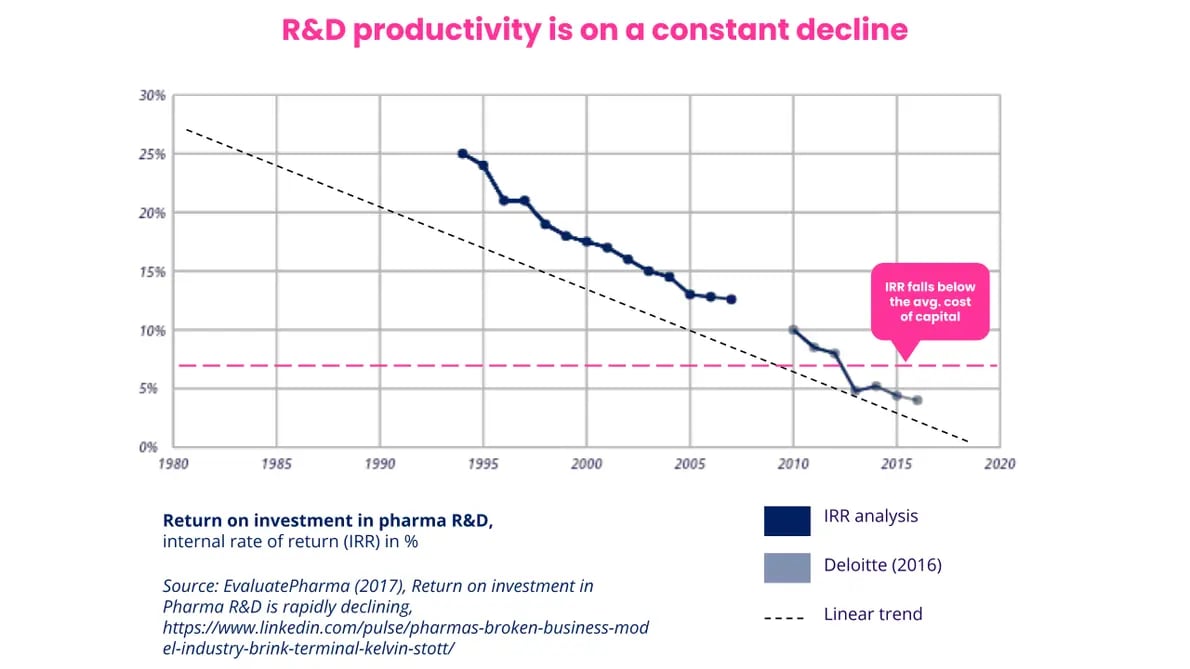
Exhibit 2: R&D productivity is on a constant decline in pharma
Long-running analyses, including the Global Innovation 1000 study by PwC, consistently show that higher R&D spending does not correlate with superior financial performance. Some of the most successful innovators spend less than their peers and outperform them over time.
The implication is often misunderstood. The problem is not that R&D teams have become less capable. It is that productivity, as traditionally measured, no longer reflects how value is created in modern research and development systems.
Behind declining productivity sits a deeper issue. Weak resource management distorts how effort, time, and budget are applied across portfolios. Resource usage rises, but learning and impact do not.
Why research and development productivity keeps disappointing leaders
Several structural forces drive this pattern.
First, R&D complexity has increased faster than management systems. Products integrate more technologies, more software, stricter regulations, and deeper dependencies across teams. Coordination costs rise faster than operational efficiency gains, even when execution quality improves.
Second, R&D portfolios accumulate faster than they are cleaned up. Companies undertake new initiatives continuously, but rarely stop existing ones. Extensive research resources remain tied to legacy commitments. Innovative solutions wait for capacity. Productivity declines because focus disappears.
Third, resource management decisions lag reality. R&D spending is often fixed annually, while assumptions shift monthly. Market trends, customer demands, and emerging technologies change faster than plans. Resource managers struggle to reallocate capacity once budgets and schedules are set.
Fourth, measurement systems reward activity rather than effectiveness. Utilization, milestones, and budget adherence dominate reporting. These metrics hide whether resources actually contribute to learning, differentiation, or business growth.
Finally, talent scarcity amplifies all of the above. Critical expertise is spread thin across too many initiatives. Resources look constrained, even when total investment is significant.
Why R&D productivity is the wrong headline metric
In this environment, classic R&D productivity is a weak standalone indicator.
It collapses fundamentally different work into a single number. Basic research, applied research, and development research are treated as equivalent, even though their time horizons, business context, and risk profiles differ. Early-stage scientific research appears inefficient by design. Late-stage optimization looks productive even when it adds little competitive advantage.
Productivity metrics also penalize learning. They favor incremental improvements over exploration. Over time, portfolios drift toward existing offerings instead of new and improved products.
Most importantly, productivity hides allocation quality. Low productivity often reflects poor prioritization, slow reallocation, and weak governance. Treating productivity as the problem leads to the wrong interventions.
What the real challenges in basic research and applied research are
The challenges R&D leaders face are structural and well understood.
In a survey of 143 R&D executives, the most critical obstacles to efficient R&D cluster around information gaps and complexity.
Nearly seven in ten respondents identify a lack of portfolio harmonization and duplicated efforts as a major challenge.
An equally high share points to too many projects progress in parallel and a persistent hesitation to kill projects that no longer create value.
These patterns directly affect basic research and applied research. When portfolios are overloaded, long-term research is crowded out by short-term delivery pressure. Applied research is fragmented across too many initiatives, each under-resourced and slow to progress.
The data also highlights systemic visibility problems. A lack of overview across R&D portfolios, investments, and ROI is rated as highly relevant by more than two-thirds of respondents. Unclear prioritization and weak alignment between research and development (R&D) activities and business strategy further compound the issue.
Operational friction adds another layer. Excessive administrative burden, inefficient data consolidation, unstandardized processes, and limited information sharing all score above 50 percent relevance. These issues slow decision-making, reinforce silos, and prevent effective reuse of expertise.
Taken together, the results show that the core challenges in basic and applied research are not scientific. They stem from missing portfolio discipline, poor information flow, and insufficient resource governance. These conditions explain why R&D productivity declines even when investment and effort remain high.
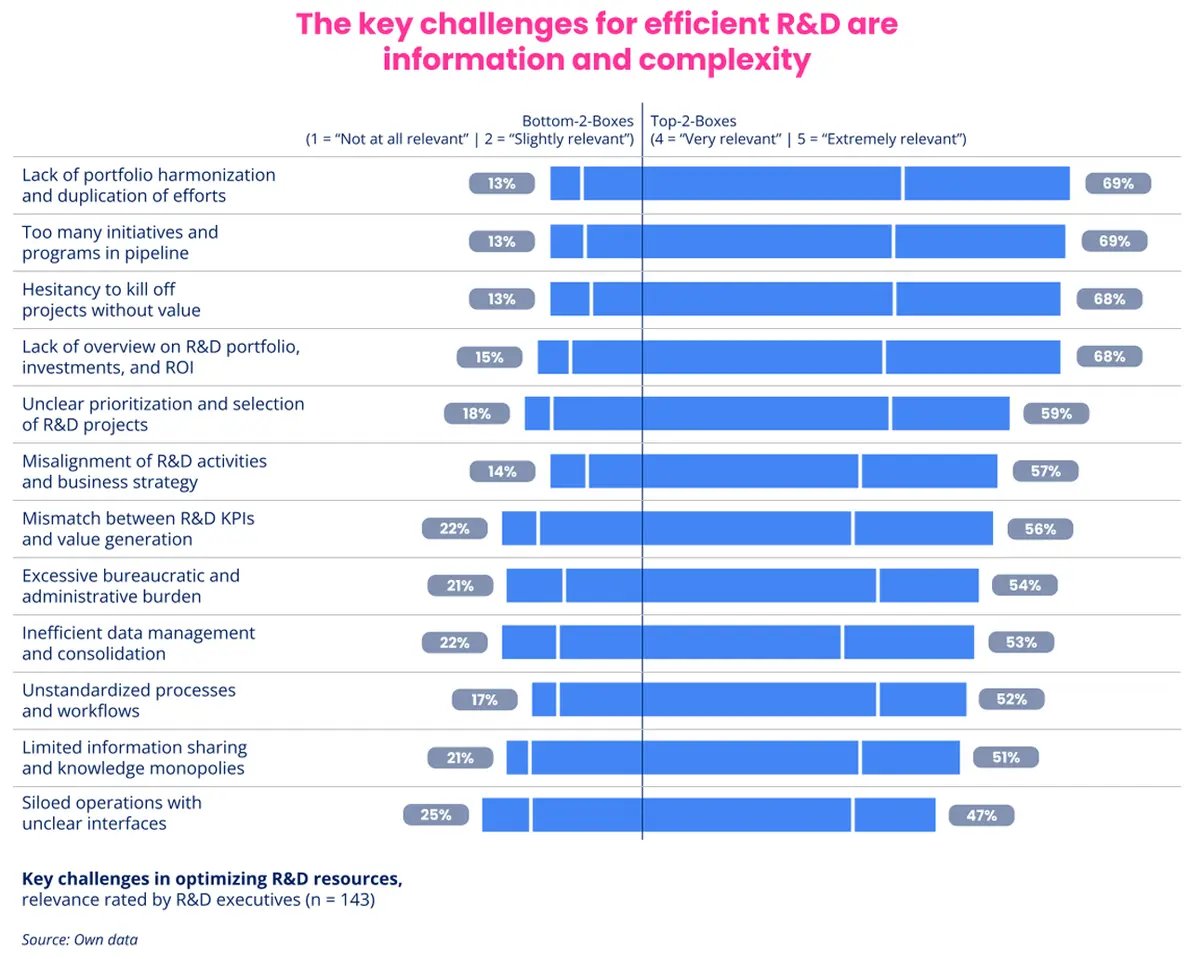
Exhibit 3: The key challenges for R&D leaders 2026
The seven resource allocation strategies for research and development activities
The following seven strategies address the most common structural weaknesses in research and development resource management. Each one focuses on decisions leaders can control directly.
Together, they create clarity, speed, and discipline across portfolios, teams, and timelines.
Strategy 1: Lock resources to strategic priorities, not projects
The fastest way to improve R&D effectiveness is better strategic alignment. Locking resources to strategic priorities ensures that research and development efforts compound instead of fragmenting.
When project requirements drive funding, strategic priorities lose relevance
Most research and development organizations allocate resources bottom-up. Project managers request people, budgets, and timelines. Leadership reacts. Over time, resource allocation reflects urgency, not strategy.
This approach fragments research and development activities. Basic research, applied research, and development research compete for the same resources without clear rules. Resources appear constrained, even when overall R&D spending remains high.
/Still%20images/Network%20Graph%20Mockups%202025/capabilities-ai-and-automation-hidden-relations-unlocked.webp?width=2160&height=1350&name=capabilities-ai-and-automation-hidden-relations-unlocked.webp)
Exhibit 4: Network graph showing connections between trends, goals, and projects
The real issue is not insufficient financial resources. It is the absence of effective resource management. Resources get spread thin across too many initiatives. Priority projects stall. Strategic goals fade into slideware.
How to pre-allocate required resources to strategic priorities before projects enter the system
Effective resource strategies start one level higher. Leaders define a small number of strategic priorities and pre-distribute resources to each. Only then are projects allowed to compete within those limits.
This shifts resource management from negotiation to governance. It protects long-term priorities, clarifies trade-offs early, and restores control over where significant investment actually goes.
Strategy 2: Cap work in progress at the team level
Capping work in progress is one of the fastest ways to improve speed and predictability in research and development. By limiting parallel initiatives, teams optimize the resources they already have instead of asking for more.
Why too many parallel initiatives drain resource availability and slow delivery
When teams run too many initiatives at once, resources collapse. Context switching increases. Dependencies multiply. Progress stalls across all fronts.
In many research and development organizations, allocating resources happens without limits. Project managers push new work into the system while existing initiatives remain active. Development research stretches over longer timelines. Prototyping slows. Delivery dates slip.
The result looks like a capacity problem. In reality, it is a flow problem. Required resources exist, but they are fragmented across too many parallel efforts.
How strict WIP limits restore focus and speed in research and development teams
Strict WIP limits force prioritization. Teams work on fewer initiatives at a time and finish them faster. Decisions improve because trade-offs are explicit.
Limiting work in progress (WIP) makes resource allocation visible and disciplined. It reduces coordination overhead, shortens feedback loops, and helps organizations optimize resources without increasing R&D spending.
Strategy 3: Kill or pause projects every quarter
Stopping work is a core capability of effective resource management.Without it, even strong research and development strategies collapse under their own weight.
Zombie projects quietly absorb limited resources
Most organizations undertake new initiatives faster than they retire existing ones. Projects that miss assumptions, lose relevance, or stall in execution remain active “just in case.” Over time, these existing ones consume project resources without delivering progress.
For resource managers, this creates a structural problem. Resources are locked into low-impact work. Valuable projects wait for capacity that never frees up. Research and development spending increases, yet outcomes stagnate.
The cost is not only financial. Teams lose momentum. Future projects start underfunded. Portfolio clarity disappears.
How quarterly stop decisions protect valuable projects
High-performing organizations force quarterly decisions. Every initiative must justify its continued use of resources. Projects are actively paused, re-scoped, or stopped. Leading organizations rely on AI solutions to analyze their strategic portfolio fit.
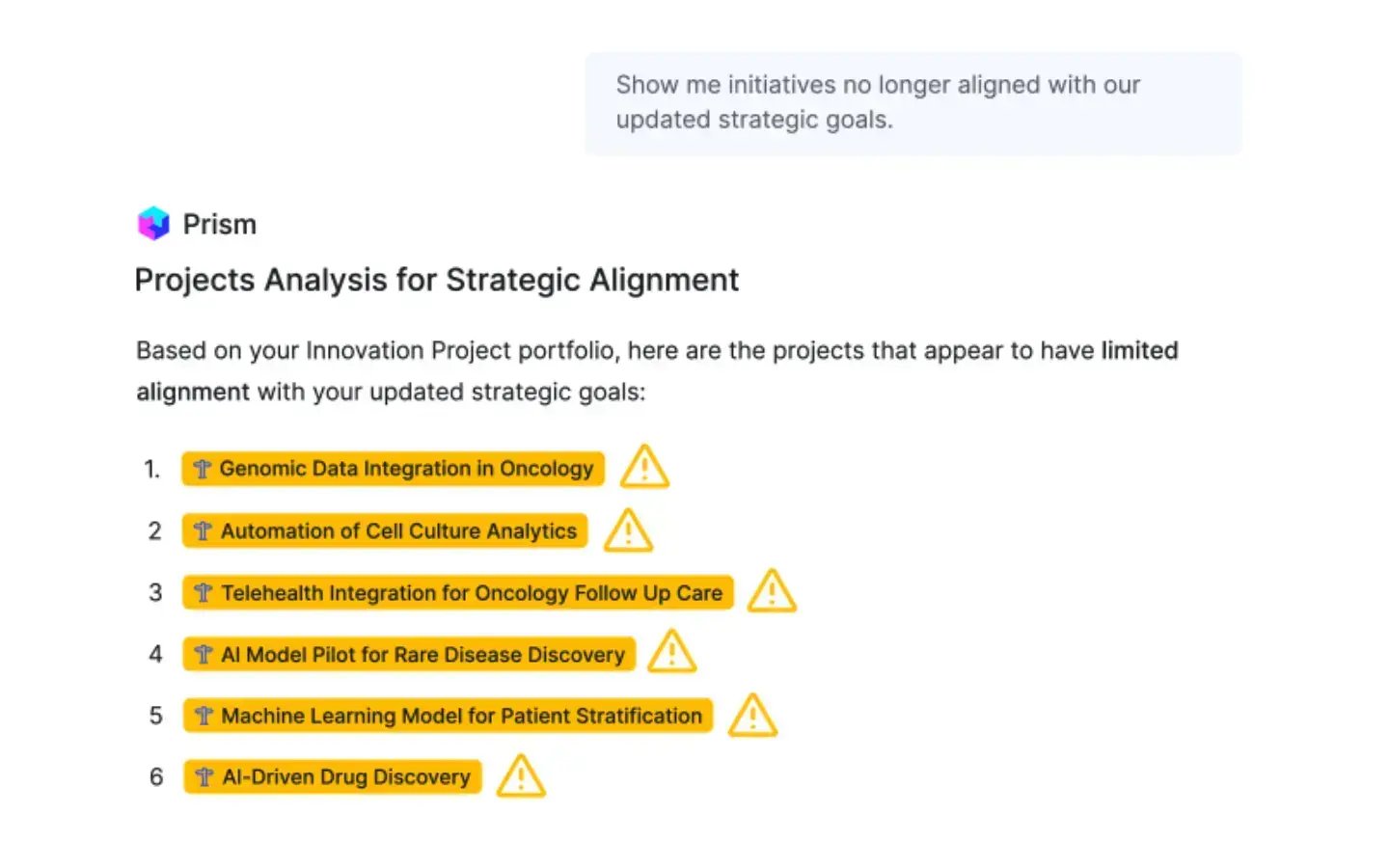
Exhibit 5: ITONICS prism flags off-strategy initiatives
This discipline frees capacity for strategically relevant projects and aligns research and development spending with strategic goals. Killing work early is not failure. It is how organizations protect focus and keep resources working where they matter most.
Strategy 4: Assign one accountable owner per initiative
Clear ownership is essential to schedule resources across complex research and development portfolios. Without it, decisions stall and execution weakens.
/Still%20images/List%20Mockups%202025/portfolio-oversee-tasks-and-assignments-2025.webp?width=2160&height=1350&name=portfolio-oversee-tasks-and-assignments-2025.webp)
Exhibit 6: Project portfolio overview with complete owners, phase, status, and spending
Shared ownership slows project execution and blurs priorities
Many R&D initiatives suffer from shared accountability. Multiple stakeholders influence scope, budgets, and priorities, but no one owns outcomes. As a result, existing ones linger in the portfolio long after their strategic relevance fades.
This ambiguity disrupts the development process. Project timelines slip. When trade-offs are required, no one has the authority to act. Resources remain tied to initiatives that no longer support strategic goals.
How single ownership accelerates delivery and protects strategic objectives
Assigning one accountable owner changes execution immediately. One person owns scope, resources, and stop decisions. Progress becomes visible. Decisions accelerate.
Clear ownership enables managers to redirect resources faster, protect critical initiatives, and align research and development work with business growth rather than internal compromise.
Strategy 5: Centralize all R&D resource data in one place
Strong R&D management depends on visibility. Without it, operational efficiency becomes guesswork.
Fragmented data makes real resource allocation impossible
In many research and development organizations, resource data lives in too many places. Project managers track project resources in spreadsheets. Resource managers maintain separate capacity views. Financial resources sit in planning tools. None of these views aligns.
This fragmentation makes effective resource management impossible. Resource availability is debated instead of measured. Resource assignments are made based on partial information. Resource forecasting becomes unreliable, especially when priorities shift.
The consequence is predictable. Projects compete instead of portfolios. Limited resources are overcommitted. Decisions are slow because no one trusts the data enough to act.
How a single source of truth changes prioritization and portfolio debates
Centralizing R&D data creates a shared operating picture. A single system brings together projects, people, budgets, timelines, and strategic goals. Resource management software plays a critical role here, especially when portfolios scale.
With one source of truth, resource leveling becomes feasible. Leaders see trade-offs clearly. Portfolio debates move from opinion to evidence. Allocating resources becomes faster and more defensible.
Most importantly, centralization enables better decisions about which initiatives deserve continued investment and which do not.
Strategy 6: Standardize effort estimates and reporting
You cannot optimize resources you cannot compare. Inconsistent estimates destroy comparability.
Why inconsistent effort estimates break resource optimization strategies
Many organizations allow teams to estimate effort in different ways. Some use detailed hour plans. Others rely on rough intuition. Across basic research, applied research, and development research, the same numbers mean different things.
This breaks resource allocation strategies. Leaders cannot compare initiatives. Portfolio decisions favor the loudest proposals, not the most realistic ones. Project timelines become unreliable. The development process stretched because plans were never comparable to begin with.
/Still%20images/Radar%20Mockups%202025/capabilities-collaboration-clustering-evaluating-viewing.webp?width=2160&height=1350&name=capabilities-collaboration-clustering-evaluating-viewing.webp)
Exhibit 7: Project radar showing projects with status “challenging”
False precision is especially dangerous. Detailed estimates often look credible but age poorly as assumptions change.
How simple, shared estimation models outperform detailed but unreliable planning
High-performing organizations standardize effort estimation across the portfolio. They use a small number of categories. They apply the same logic in every development phase.
This approach makes it easier to apply existing knowledge from past projects. It allows teams to compare new initiatives to existing ones. Reporting becomes consistent. Project execution improves because expectations are clearer.
Standardization does not remove uncertainty. It makes uncertainty visible and manageable.
Strategy 7: Track resource effectiveness, not utilization
High utilization feels efficient. It is often the opposite.
High utilization hides poor outcomes in prototype development and learning
Utilization metrics reward keeping people busy. They do not reward learning, speed, or outcomes. In research and development, this leads to predictable failure modes.
Teams optimize for activity. Prototyping slows because resources are spread thin. Projects show progress while real learning stalls. Initiatives wait for capacity because everything looks fully utilized.
Utilization masks whether resources actually contribute to new knowledge, new technologies, or future projects.
How to measure whether resources actually move research and development forward
Leading organizations track resource effectiveness instead. They ask whether resources accelerate decisions, reduce uncertainty, and advance strategic objectives.
Metrics focus on learning speed, decision cadence, and contribution to portfolio value. This shift enables managers to optimize resources toward impact, not busyness.
Over time, effective resource management becomes a source of competitive advantage. Resources flow faster to what works. Weak initiatives lose support early. Research and development becomes a driver of business growth, not just a significant investment.
Optimize your R&D effectiveness with ITONICS
The ITONICS Innovation OS is the modular software that gives research and development teams the tools they need to innovate and manage R&D portfolios effectively. The key benefits for R&D teams are streamlining workflows, accelerating innovation, and enhancing decision-making.
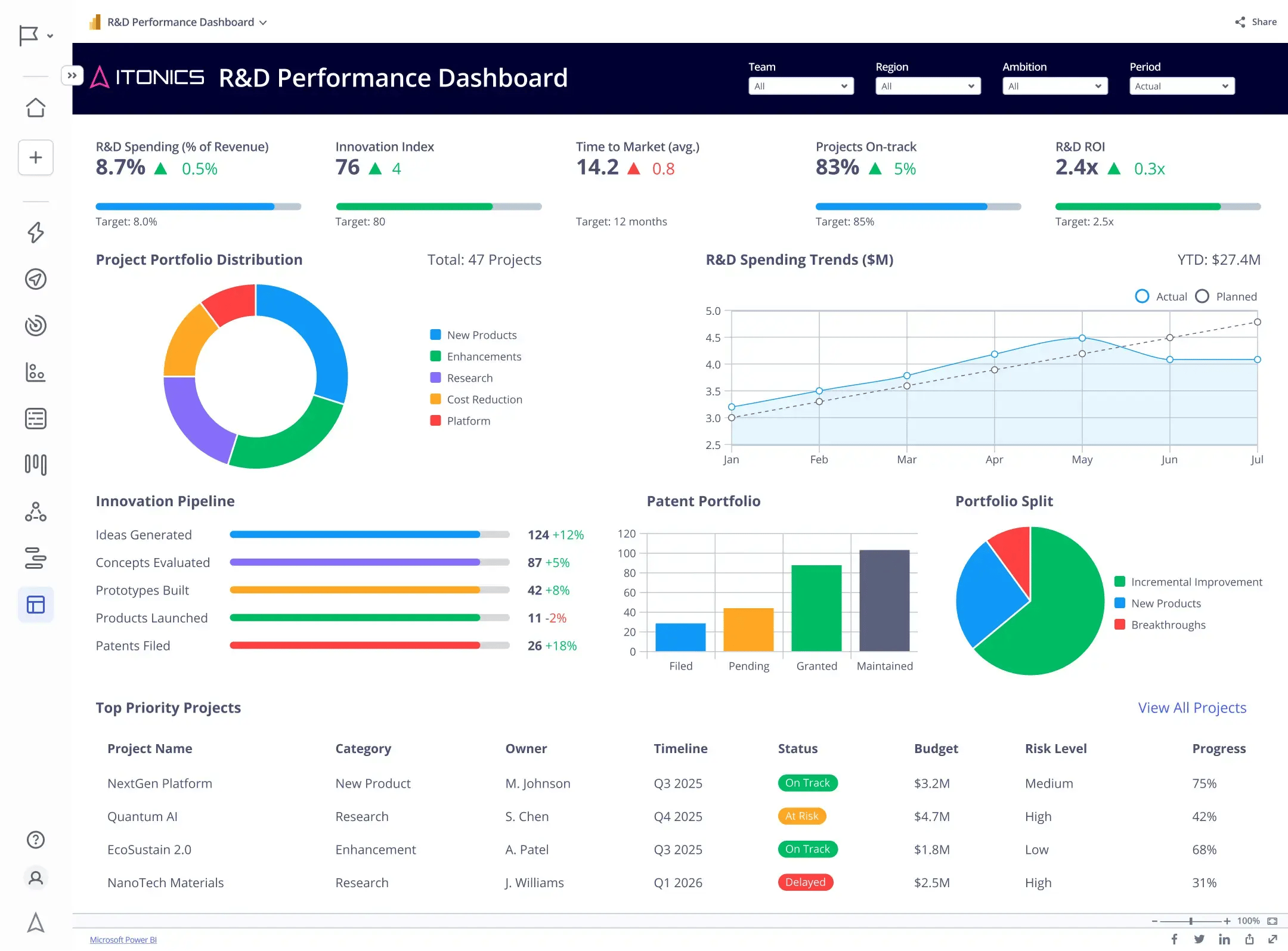
Exhibit 8: R&D performance dashboard inside ITONICS ensuring robust R&D governance
Reduce costs and improve efficiency: Get a holistic view of your research and development portfolio. ITONICS helps teams spot redundant or underperforming ideas and initiatives, so they can reallocate capacity to higher-benefit measures that deliver better returns. The software enables innovative companies to adopt new technologies within their R&D workflows, driving efficiency and supporting innovation.
Make informed investment decisions: Evaluate technological trends, consumer demands, and advanced technologies based on your company’s goals. Use ITONICS to measure current spending on existing assets and identify where reallocation in the research and development portfolio is necessary when more promising R&D opportunities emerge.
Evolve your R&D portfolio with clear roadmaps: ITONICS lets you plan the lifecycle of every asset in your technological portfolio, mapping out upgrades, replacements, and decommissioning with clear timelines and milestones.


