


Four-fifths of product managers track KPIs without deriving meaningful action. Using vanity metrics, not tying numbers to actions, and waiting too long misses the meaning of key performance indicators: steering product development activities and R&D resources.
Industrial leaders tie product development KPIs to hypotheses. Missed KPI expectations lead to course corrections. When a KPI moves, a decision follows within 48 hours, not at the quarterly review.
Responding more timely requires more than better metrics. It requires a living report-action system. The most effective product management teams operate with a five-step KPI framework.
Exhibit 1: The 5-step decision framework for product development KPIs
Each step removes a reason for inaction. Together, they turn a KPI dashboard into a decision engine.
This article breaks down which product development metrics matter at each stage, how to build that framework, and how to apply it across a product portfolio.
Why product development KPIs fail most teams
Teams fail at KPIs before they build a dashboard. The root cause: they measure activity instead of outcomes.
A product development team that tracks “features shipped” knows how busy they are. They don’t know whether they’re creating value. Activity metrics create the illusion of progress.
Three failure patterns repeat across industries:
The 5-level KPI hierarchy industrial product teams use
Most product development KPI frameworks lump all metrics into one flat list. That makes prioritization impossible. Industrial leaders organize their key performance indicators into five levels (Exhibit 2). Each level answers a distinct question. Each drives a different type of decision.
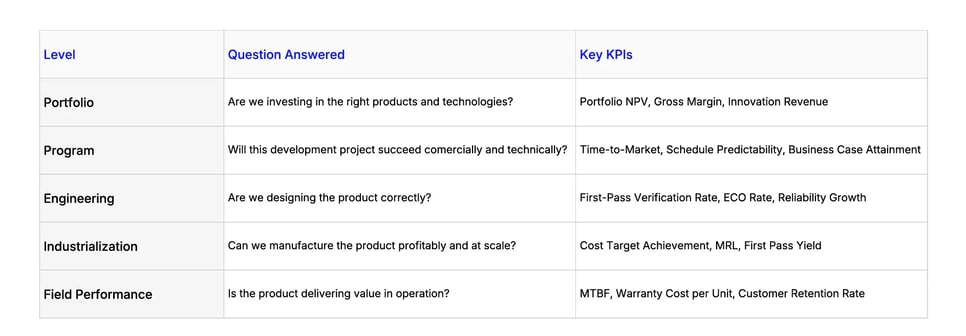
Exhibit 2: The five levels of KPI hierarchy for industrial product leaders
Portfolio level: Are we investing in the right products?
Portfolio-level KPIs answer the capital allocation question. They tell leadership whether the overall investment mix is generating returns and renewing the business.
Program level: Will this project succeed commercially and technically?
Program-level KPIs track whether individual development projects are on course to deliver their business case.
Engineering level: Are we designing the product correctly?
Engineering-level KPIs measure design quality and process discipline within the product development team.
Industrialization level: Can we manufacture profitably at scale?
Industrialization KPIs answer whether the product can be built at the cost and quality levels the business case requires.
Field performance: Is the product delivering value in operation?
Field performance KPIs are the ground truth of product development. They measure whether the product delivers what was promised in the design specification.
A 5-step framework for product management KPIs that trigger decisions
Most product development departments collect metrics. Few build systems that trigger decisions. Here is how industrial leaders close that gap with a 5-step framework (Exhibit 3).

Exhibit 3: The 5-step framework for product management KPIs
Product management KPIs for portfolio decisions
Individual product metrics tell you whether a product is healthy. Portfolio-level KPIs tell you where to invest next. Product managers steering a portfolio need three lenses.
Industrial product management teams maintain separate scorecards per portfolio stage. Early-stage: user engagement, CAC, market penetration. Growth-stage: MRR growth, NPS, team velocity. Mature-stage: customer retention rate, CLV, and total revenue generated per market.
How ITONICS enables data-driven decisions across the product development team
Most product development departments manage KPIs in spreadsheets or disconnected dashboards. That approach fails at scale. Data lives in silos. Reliable data requires manual aggregation. By the time decision-makers see it, the window to act has closed.
ITONICS gives product management teams a unified platform to connect product roadmap progress to strategic objectives (Exhibit 4). Product managers can link specific development efforts to business outcomes. They can track how each product contributes to total revenue and customer satisfaction at the portfolio level.
/Still%20images/Roadmap%20Mockups%202025/portfolio-visualize-critical-paths-2025.webp)
Exhibit 4: Share interactive roadmaps showing what ships when and what each function needs to deliver
The platform enables real-time visibility into key metrics across multiple products. Product teams can set decision thresholds and monitor product performance against market dynamics without waiting for manual reporting cycles. That moves product management from reactive reporting to proactive steering.
ITONICS also supports cross-functional data management (Exhibit 5). Product development departments can ensure data accuracy by connecting inputs from engineering, sales, and customer success into a single source of truth. That integration makes quantifiable metrics like customer lifetime value, monthly active users, and development efficiency visible to everyone who needs to act on them.
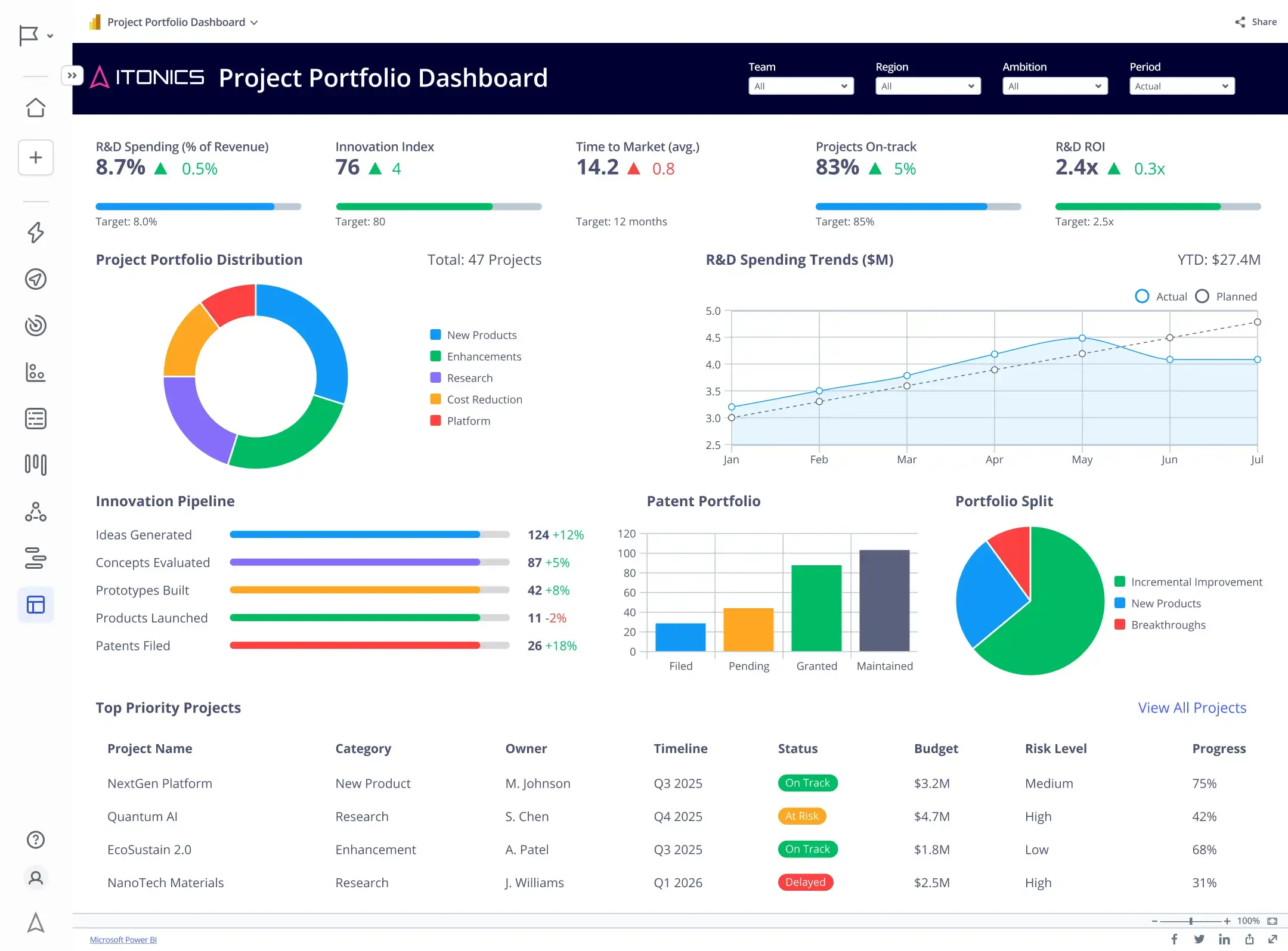
Exhibit 5: Give all functions real-time visibility into feature progress, blockers, and completion status
When product managers can see the full picture across each development phase, they stop tracking projects. They start steering portfolios.


