

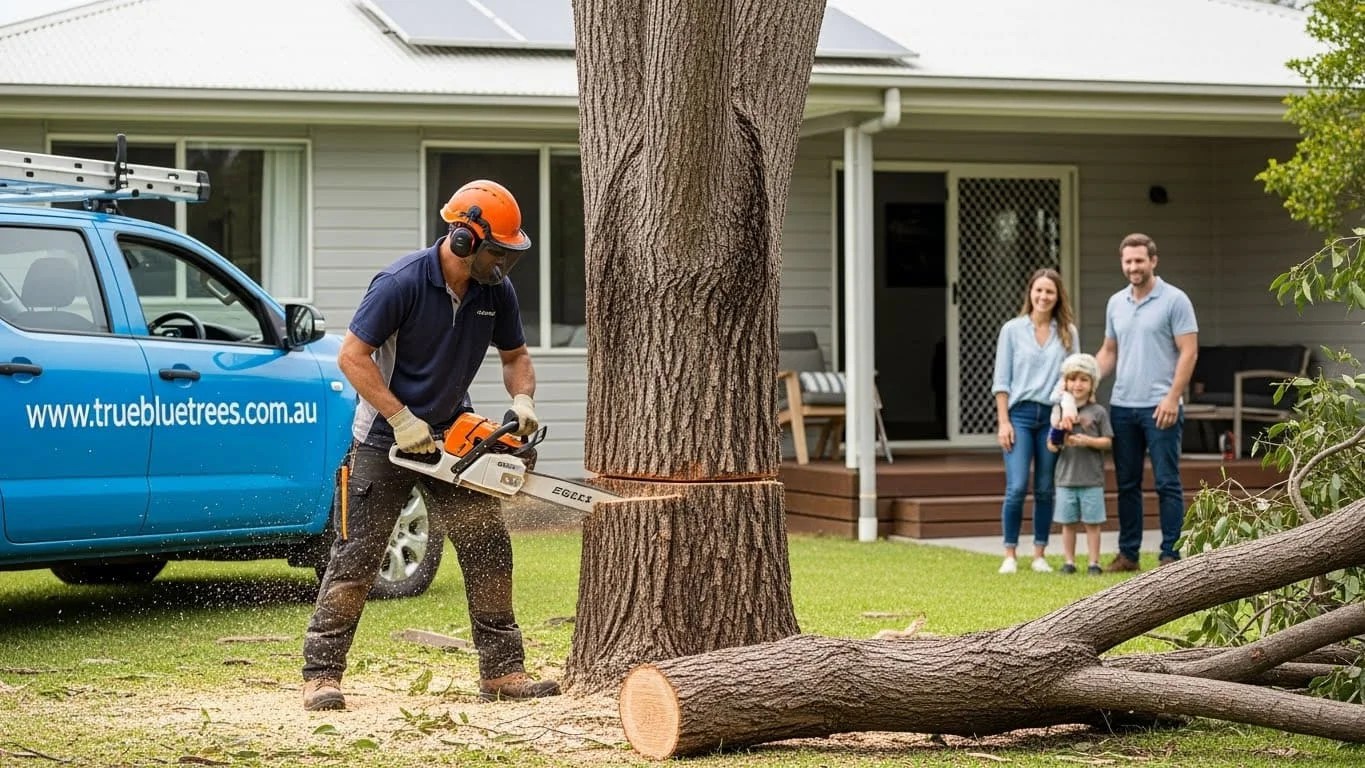
Why Tree Removal Matters on the Mornington Peninsula…
Tree Removal is a top concern for many homeowners on the Mornington Peninsula because the region’s climate, sandy soils and coastal winds create unique challenges. From the rolling hills of Red Hill to the beachfront properties in Sorrento, a dead or unstable tree can threaten a house, a driveway or a neighbour’s fence. And when a storm rolls in from Bass Strait, the risk spikes dramatically.
In my experience the biggest mistakes homeowners make are waiting until a tree is on the verge of collapse, or trying to DIY a job that needs professional equipment. The cost of a broken roof or a damaged garage far outweighs the expense of a proper Tree Removal Service. You know?
Coastal breezes can uproot shallow‑rooted species.
Heavy winter rains soften the ground, making trenches unstable.
Heritage listed eucalypts require special handling.
Understanding Local Tree Species and Risks
Mornington Peninsula is home to a mix of native eucalypts, pines, & ornamental palms that each behave differently under stress. For example, the River Red Gum (Eucalyptus camaldulensis) has a deep taproot but a brittle trunk that can split in high winds. And the Canary Island Pine, popular in the Morningwood suburbs, sheds needles that can ignite dry underbrush.
What typically happens is that homeowners overlook the species‑specific hazards. A certified arborist from the victorian arborist association can spot signs of decay, fungal infection or pest infestation before they become a safety issue.
Look for dead branches, fungal conks, or excessive leaf drop.
Check bark for cracks, cankers or insect galleries.
Observe the canopy for asymmetry, which may indicate root loss.
Step‑by‑Step Tree Removal Workflow
Here’s the workflow most reputable firms follow, and why each step matters for a seamless Tree Removal on the peninsula.
First, a site inspection is scheduled. The crew notes the tree’s height, crown spread, proximity to structures & any wildlife nests. Then a risk assessment is drafted, outlining the removal method & safety zones.
Site inspection – 30‑45 minutes.
Risk assessment – written report for the homeowner.
Method selection – based on tree size and site constraints.
Next the crew prepares the area: traffic cones signage & if needed power line locates. A licensed arborist signs off on the plan, & the crew sets up the required equipment. Finally the tree is felled cut into sections and the stump is either ground down or excavated.
Safety perimeter – at least 2 m per metre of tree height.
Equipment check – chainsaws, rigging gear, crane if required.
Post‑removal cleanup – chipping, mulching, or haul‑away.
Choosing the Right Removal Technique
What typically happens is that owners pick the cheapest method without considering site limitations — In the Mornington Peninsula, tight backyards, sloping terrain & nearby power lines mean a one‑size‑fits‑all approach rarely works.
Three main techniques dominate the market:
Crane‑lift removal – best for large trees close to structures.
Rigging & controlled fall – ideal for medium‑size trees with clear fall zones.
Manual felling with chainsaw – works for smaller trees or those in confined spaces.
Equipment and Crew Roles Explained
Understanding who does what helps you gauge professionalism. I mean a typical crew includes a licensed arborist a certified chainsaw operator a rigging specialist and a site manager.
And the equipment isn’t just a chainsaw. Ah, you’ll see:
Hydraulic grinders for stump removal.
Portable cranes up to 30 tonnes.
Rope access gear for high‑canopy work.
Personal protective equipment – helmets, gloves, hearing protection.
Permits & Legal Considerations
Even though the Mornington Peninsula council encourages responsible landscaping you still need to check if a Tree Removal permit is required — Most native species over 30 cm in diameter need approval especially in the Mornington National Park zone.
And the process is straightforward if you have a licensed arborist on board. They’ll submit the application, attach the risk assessment and liaise with council.
Submit online via the council portal.
Allow 5‑10 business days for approval.
Keep a copy of the permit on site.
Insurance and Liability Checklist
Before any work starts, ask for proof of public liability insurance and workers’ compensation. Look, a reputable company will also provide a written indemnity clause covering any damage to your property or neighbouring sites.
What typically happens is that homeowners sign a contract without checking the fine print — Avoid that trap.
Verify the insurer’s name and policy number.
Confirm coverage limits – at least million for property damage.
Ask for a risk assessment report from the licensed arborist.
Emergency Tree Removal: What to Do When Storms Hit
During a thunderstorm, a dead limb can fall without warning. The first step is to call an emergency tree removal service that offers 24‑hour response.
Provide exact location and describe the hazard.
Ask if they have a certified arborist on call.
Confirm they carry portable cranes for rapid response.
And once the crew arrives, they’ll set up a safety perimeter, assess the tree’s condition & decide whether to fell it on site or rig it for a controlled drop.
Priority is given to trees threatening power lines.
Neighbouring properties are notified.
Storm‑related debris is cleared for safety.
Stump Grinding and Root Management
After the trunk is gone, the stump can be an eyesore or a tripping hazard. Stump grinding is the most common solution on the peninsula, turning the wood into mulch that can be used in garden beds.
And if you have a large root system, a certified technician may recommend excavation or a root barrier to protect nearby foundations. Honestly,
Grinding depth – typically 30‑45 cm.
Root barrier installation – especially for houses on sand‑soil mixes.
Reuse of wood chips – free mulch for your garden.
Sustainable Disposal & Reuse Options
Mornington Peninsula residents love sustainability, and there are several ways to put removed timber to good use.
Firewood – native eucalypt wood burns well and can be sold locally.
Mulch – chip the branches for garden pathways.
Timber donation – local community projects often accept larger logs.
And a licensed arborist can help you arrange a donation to a local school or fire‑break program, turning a costly problem into a community benefit.
Post‑Removal Site Restoration
Once the tree is gone, the soil can be compacted and prone to erosion, especially on the sloping hills of the peninsula — A good contractor will offer a site restoration package.
Typical steps include:
Soil aeration and compost addition.
Planting native groundcovers to stabilise the soil.
Installing a temporary erosion control net if needed.
Hiring a Licensed Arborist or Contractor
When you’re looking for a Tree Removal service on the Mornington Peninsula, start by checking the Victorian Arborist Association register. A licensed arborist will have the training to assess risk, obtain permits and supervise the crew.
And you should also ask for references from recent local projects. A reputable firm will gladly share a portfolio of work in suburbs like Frankston, Mount Eliza and Flinders.
Confirm the arborist’s licence number.
Ask for a written quote that breaks down each task.
Check online reviews for reliability & safety record.
Comparing Removal Approaches
Technique
Best For
Pros
Cons
Crane‑lift removal
Large trees (over 30 m) near buildings or power lines
Precise placement, minimal ground disturbance
Higher equipment cost, requires crane access
Rigging & controlled fall
Medium trees (10‑30 m) with clear fall zones
Fast, cost‑effective, uses existing equipment
Requires ample space higher skill level
Manual felling with chainsaw
Small trees (under 10 m) in tight yards
Low equipment cost flexible
Physically demanding, longer job time
Case Study: Successful Tree Removal on a Coastal Property…
John and Sarah own a beachfront home in Portsea. A 25‑year‑old Canary Island Pine was leaning toward their deck after a series of strong southerly winds — They called a local licensed arborist from the Victorian Arborist Association, who performed a risk assessment and recommended a rigging & controlled fall method. The crew set up a safe perimeter, used a hydraulic crane to lift the crown, and felled the tree without damaging the deck or the adjacent power line. The stump was ground down, the wood chips were turned into mulch for their garden, and the site was re‑graded to prevent erosion. Within two weeks the couple had a new native coastal shrub planted, improving biodiversity & reducing fire risk. The whole job was completed in under a day, and the homeowner received a detailed report for their insurance file.
Frequently Asked Questions
Can I remove a tree myself?
Doing it yourself is risky — Without a licensed arborist you may breach council regulations, damage property or injure yourself — Most insurers also require professional work 4 claims.
What if my neighbour objects to the removal?
Talk to them first. If the tree is a shared responsibility, you may need a written agreement. A certified arborist can mediate and provide a risk assessment that satisfies both parties.
How do I know if a tree is protected?
Native species like Messmate and River Red Gum may be listed under local heritage overlays. Check with the Mornington Peninsula Shire or ask your arborist to verify before starting work.
What’s the fastest way to deal with a dead tree after a storm?
Call an emergency Tree Removal service that offers 24‑hour response. They’ll assess safety, set up a perimeter and use the appropriate technique to bring the tree down quickly.
Do I need a permit for stump grinding?
Usually not unless the stump is part of a heritage‑listed tree. Still it’s good practice to inform the council especially if you’re in a bushfire‑prone zone.
Final Thoughts on Tree Removal on the Mornington Peninsula
Tree Removal on this part of Victoria isn’t just about cutting down a trunk – it’s a coordinated effort that respects the local environment, council rules and homeowner safety. From the first site inspection to the final mulch spread, each step matters. And with a licensed arborist, proper insurance and a clear contract, you’ll avoid costly surprises.
And remember, the right technique, sustainable disposal and post‑removal restoration can turn a potential hazard into an opportunity for a healthier garden and a safer home. If you’re unsure where to start, reach out to a certified professional and let them guide you through the process.


