


Imagine a ship setting sail without a clear destination – its crew would waste time, fuel, and effort drifting aimlessly. That’s what poor project prioritization feels like for many teams.
Too often, they are stuck juggling competing demands or chasing low-impact tasks, leaving innovation dead in the water. Missed deadlines, overrun budgets, and frustrated teams become the norm, holding organizations from reaching their true potential.
But with perfect prioritization, chaos turns into a well-orchestrated symphony. Think of it as building a ladder to success – each prioritized high-impact and avoided low-impact project is a step closer to your desired position. By focusing on projects that align with strategic objectives and customer needs, teams work smarter, not harder. The result?
Faster innovation, stronger collaboration, and a competitive edge that keeps you ahead of the curve. In the following, we present 6 proven frameworks and 14 criteria that help you to perfect project prioritization.
What is perfect project prioritization?
Perfect project prioritization is the science – and art – of selecting the right projects at the right time to achieve maximum value and strategic alignment. It is the science and art of managing your development portfolio best.
Systematically prioritizing the right projects is a disciplined approach that balances competing priorities, ensuring that every project contributes to organizational goals and delivers measurable outcomes. Rather than relying on intuition or urgency alone, prioritizing projects effectively uses a structured prioritization process and transparent criteria to assess projects with clear, meaningful criteria.
Factors such as business impact, feasibility, customer value, and resource requirements are carefully weighed to create a clear and actionable roadmap. This process helps project teams focus on what matters most while avoiding distractions and inefficiencies. A well-defined project prioritization process is essential for maintaining productivity and achieving successful project outcomes.
The best project prioritization process also emphasizes proactive planning and flexibility. It involves continuous monitoring and project management to adapt to changing market dynamics, stakeholder expectations, or internal constraints. This ensures that prioritizing projects continuously remains aligned with evolving business objectives.
In essence, perfect project prioritization is about empowering teams to channel their resources into high-impact projects using an effective project prioritization process, driving innovation and fostering sustainable growth while maintaining focus and direction.
Benefits of effective project prioritization for product development
Effective project prioritization (Exhibit 1) is the foundation of successful product development, enabling teams to focus on initiatives that deliver the most value. Resources are the most valuable factor in product development. Project management thus needs to find the optimal balance between project value and effort through effective portfolio management. And, finding this balance across multiple projects is what makes project prioritization effective.
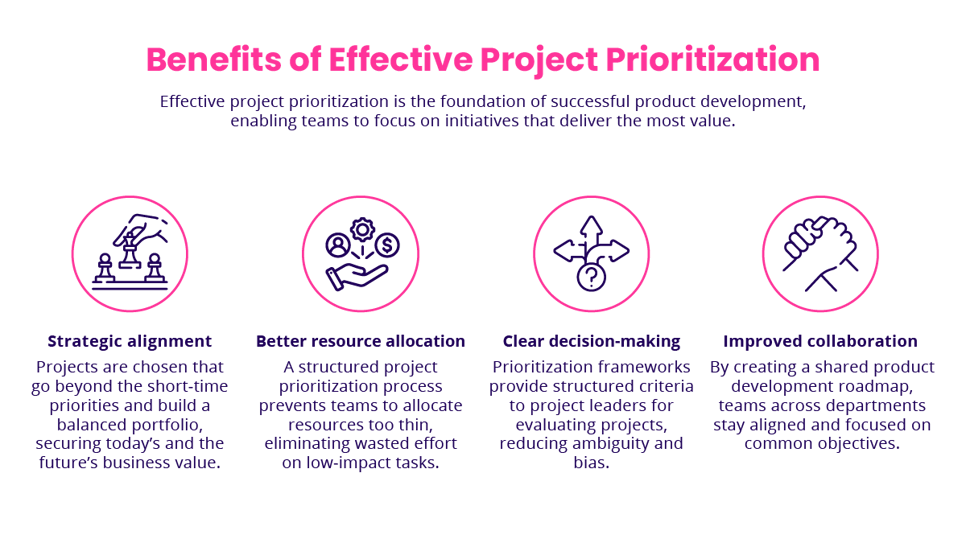
Exhibit 1: Benefits of effective project prioritization
In a competitive landscape, where speed and innovation are paramount, effective project prioritization ensures resources are allocated to valuable projects that align with strategic goals. Projects are chosen that go beyond short-time priorities and also consider future projects.
A senior project manager plays a crucial role in assessing the business value of different projects, ensuring correct project selection, and crafting a strong project portfolio. When effective, companies accelerate time-to-market and adapt quickly to evolving market demands.
A second key benefit is enhanced resource allocation. A structured project prioritization process with clear project evaluation criteria prevents teams from allocating resources too thin, eliminating wasted effort on low-impact tasks. Instead, resources are channeled into important projects with clear potential for success, ensuring an ongoing process and that every dollar spent drives measurable outcomes.
Another advantage is improved decision-making clarity. Prioritization frameworks provide structured criteria to project leaders for evaluating projects, reducing ambiguity and bias. Teams can confidently select high-impact potential projects based on data-driven insights, aligning initiatives with customer needs and market opportunities.
Lastly, project prioritization fosters improved cross-functional collaboration. By creating a shared product development roadmap, teams across departments stay aligned and focused on common objectives. This collaboration streamlines workflows and builds commitment among the project managers and contributors, keeping new product development pipelines robust and delivering consistent value to stakeholders.
Common challenges in project prioritization
One of the most significant challenges in prioritizing projects is managing conflicting priorities among stakeholders. Product development teams often grapple with competing demands from leadership, marketing, sales, and engineering teams, each pushing for their projects to take precedence.
Without a unified approach, these conflicts can lead to inefficiencies and hinder progress. It is crucial to recognize that not all projects demand immediate attention, and proper project prioritization is vital for effective resource allocation.
Another common pitfall is the lack of clear prioritization criteria. Teams may rely on subjective opinions or personal biases when selecting projects, leading to inconsistent and often suboptimal decisions. For example, prioritizing projects based on familiarity rather than strategic alignment can result in missed opportunities for innovation.
Additionally, team members may be involved in numerous other projects that contribute to their professional growth and overall productivity, highlighting the need for effective task delegation and common project prioritization criteria.
Resource constraints further complicate project prioritization. Limited budgets, personnel, and time mean that teams cannot pursue every promising idea. The inability to effectively balance trade-offs between high-impact and low-resource projects can leave organizations stuck in a cycle of inefficiency.
Finally, changing market dynamics poses a significant challenge. A project that seems critical today may lose its relevance as customer preferences and industry trends evolve. Successful teams address these challenges by employing flexible, data-driven project prioritization strategies that allow them to adapt quickly while staying focused on long-term goals.
Overcoming these challenges requires clear project prioritization criteria, collaboration across teams, and a habitual new product development process. The following project prioritization frameworks and criteria can ensure that efforts are focused on the right projects at the right time.
6 proven frameworks and 14 criteria to perfect project prioritization
Frameworks provide a structured approach to prioritizing projects. Different frameworks follow different project prioritization methods. Yet, the consistent use of prioritization criteria ensures clarity and objectivity in decision-making. Following any of the project prioritization methods is an essential project management tool for managing project portfolios effectively.
One common project prioritization method is the use of a collective scoring model, which assigns numeric values based on various project prioritization criteria, helping teams evaluate and rank projects collaboratively. Examples of these project prioritization frameworks are RICE scoring, the SCOR framework, or Agile Weighted Shortest Job First (AWSJF).
A second, less complex method for prioritizing projects is the use of a single indicator. For instance, the MoSCoW Method, Eisenhower Matrix, or Kanban Board focuses primarily on the availability of resources and assists individual decision-making. In the following, we compare these six project prioritization frameworks.
Each of the frameworks for prioritizing projects includes specific criteria. We collected all 14 criteria for prioritizing projects. Examples of these criteria for prioritizing projects are project importance, project urgency, reach, impact, or effort.
1. RICE-scoring framework
One of the most widely used project prioritization frameworks is the RICE Scoring Framework. The RICE framework is ideal for companies managing a diverse project pipeline or those aiming to implement project prioritization frameworks that balance potential impact with feasibility.
2. MoSCoW method
The MoSCoW Method is a widely adopted project prioritization framework that categorizes project tasks or features into four priority levels: Must-Have, Should-Have, Could-Have, and Won’t-Have (for now). This method is specifically used to categorize and prioritize project requirements for effective project management. This qualitative project prioritization method helps project managers focus on delivering the most critical elements first while balancing resource constraints and timelines.
3. Eisenhower matrix
The Eisenhower Matrix, also known as the Urgent-Important Matrix, is a highly effective project prioritization framework that helps individuals and teams categorize tasks based on urgency and importance. Named after former U.S. President Dwight D. Eisenhower, this method is a cornerstone of time and project management, enabling clear distinctions between what requires immediate action, strategic planning, delegation, or elimination. It is a powerful tool for strategic prioritization, helping organizations focus on high-value activities that drive the most impact.
4. Kanban board
The Kanban Board is a visual project prioritization framework and workflow management tool that helps teams organize, track, and optimize their work processes. Kanban boards help teams organize projects by categorizing and tracking tasks across different stages, providing better visibility and management of ongoing work. Originating from lean manufacturing and widely adopted in Agile and Scrum methodologies, the Kanban Board allows project teams to visualize tasks and their progress across defined stages.
5. SCOR framework
The SCOR framework (Strategic, Cost, Opportunity, and Risk) is a quantitative project prioritization method that evaluates project requests based on four key dimensions: Strategic Fit, Cost, Risk, and Time-to-Market. By assigning scores to each category, this framework helps companies effectively rank initiatives based on their potential project value and alignment with organizational goals. It also supports the evaluation and management of a strategic portfolio of projects, ensuring that resources are allocated to initiatives that best support long-term business objectives.
6. Agile weighted shortest job first (AWSJF)
Agile Weighted Shortest Job First (WSJF) is a project prioritization framework widely used in Agile and Lean environments. This method ranks projects or tasks by dividing their business value by the effort required to complete them, prioritizing those with the highest value-to-effort ratio. It enables teams to deliver the maximum project value quickly while optimizing resources and timelines.
Guidelines to prioritize projects best in new product development
Effective project prioritization is critical in new product development (NPD) to ensure resources are focused on the most impactful initiatives. The following guidelines can help streamline decision-making and enhance project management outcomes.
Guideline 1: Project management always on time
Timely execution is a cornerstone of successful new product development. Delays can lead to missed market opportunities and reduced competitive advantage. Ensure realistic timelines are set during the planning phase and monitor progress regularly.
Use tools like Roadmaps or Kanban boards to keep tasks and planning on track (Exhibit 2).
.webp?width=928&height=611&name=roadmap-header-928-pp%20(2).webp)
Exhibit 2: Roadmaps and Kanban boards enhance planning processes
Guideline 2: Strict evaluation, no excuses
Every project must undergo a rigorous and consistent evaluation process. Utilize project prioritization frameworks such as RICE, MoSCoW, or WSJF to assess potential value, feasibility, and alignment with business goals.
Avoid letting personal preferences, team biases, or unverified assumptions influence decisions. Data-driven analysis and accountability are essential for selecting projects that deliver maximum project value.
Guideline 3: Strategic alignment beats curiosity
While innovative ideas are vital in NPD, projects must align with overarching strategic objectives to maximize ROI. Evaluate whether a project supports long-term business goals, meets customer needs, and enhances market positioning. Ensure that project selection is closely aligned with business priorities to guarantee that resources are focused on initiatives with the greatest organizational impact. Avoid pursuing initiatives solely for their novelty or speculative potential unless they directly contribute to the strategic vision.
Guideline 4: Focus on customer-centricity
Prioritize projects that address explicit customer needs and preferences (Exhibit 3). Use customer insights, surveys, and market research to validate ideas and ensure product features solve real problems. Keeping customers at the heart of NPD efforts improves product-market fit and drives sustainable growth.
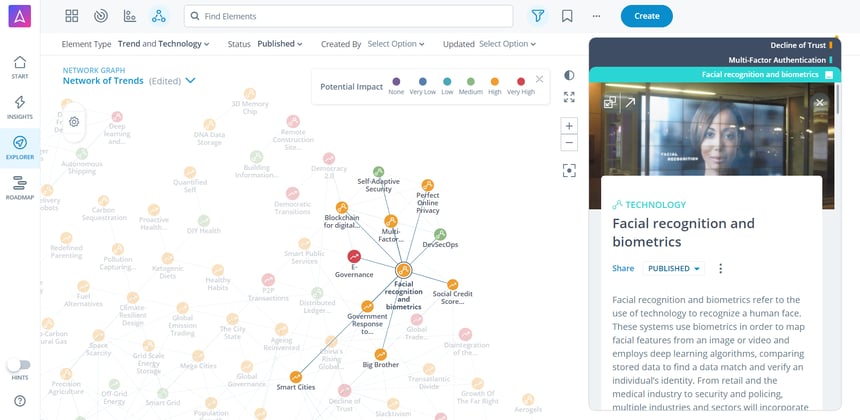
Exhibit 3: Network graphs help to discover relations between all relevant elements
Guideline 5: Balance innovation and feasibility
While ambitious projects can drive breakthroughs, they must be balanced with achievable, short-term goals. Consider an active project portfolio management a healthy mix of incremental improvements and disruptive innovations to maintain steady progress while exploring new opportunities (Exhibit 4).
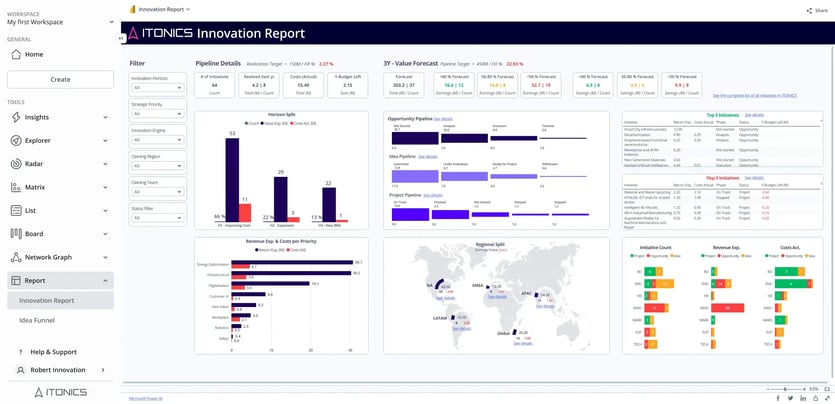
Exhibit 4: Reports and dashboards help to monitor and report progress
By adhering to these guidelines, organizations can refine their project prioritization methods, optimize resource utilization, and enhance the success rate of new product development initiatives.
Software supporting project prioritization
The ITONICS Innovation OS is a game-changer for organizations seeking to enhance their project prioritization processes. As a comprehensive innovation management platform, ITONICS provides the tools necessary to centralize, evaluate, and prioritize projects effectively.
From ideation to execution, ITONICS empowers organizations to focus on initiatives that deliver maximum impact, ensuring alignment with strategic goals while optimizing resource utilization.
Centralize project evaluation and insights: Fragmented information and inconsistent evaluations can hinder effective prioritization. With ITONICS, all project data, evaluations, and insights are stored in one central platform. With intuitive dashboards and visualizations, ITONICS links projects to business goals and market needs, ensuring efficient resource use and impactful outcomes.
Adapt to your processes and vocabulary: The ITONICS Innovation OS is easily adaptable to your company’s specific needs. Adjust branding, vocabulary, and workflows to your team’s needs with our no-code configuration options.
Enable market-oriented prioritization: ITONICS integrates trend and technology radars, allowing users to adapt priority projects to emerging market developments in real time, ensuring proactive responses to opportunities and challenges.


